The Gift Reloaded
Play The Gift Reloaded
The Gift Reloaded Screenshots



The Gift Reloaded review
Explore gameplay mechanics, features, and what makes this visual novel unique
The Gift Reloaded stands out as a distinctive visual novel experience that combines narrative-driven gameplay with interactive decision-making. This lewd visual novel places you in the role of a protagonist with mind control abilities, offering players the freedom to shape their journey through meaningful choices. Whether you’re curious about the game’s mechanics, storyline progression, or unique features that set it apart from other titles in the genre, this comprehensive guide covers everything you need to know about The Gift Reloaded and what makes it a compelling experience for players seeking immersive storytelling.
Understanding The Gift Reloaded: Core Gameplay & Mechanics
So, you’ve just started The Gift Reloaded and you’re staring at the screen, a little unsure. Is this just another visual novel where I click through endless dialogue? 🤔 What’s with this “Gift” everyone talks about? How much power do I really have here?
I remember my first playthrough. I approached it like any other story, making choices based on what I thought was “nice” or “polite.” Let’s just say I hit a wall faster than I expected. Characters became distant, options dried up, and I realized I was playing it all wrong. This wasn’t a passive experience; it was a playground. Once I understood the core gameplay mechanics, everything changed. The story exploded with possibilities.
This chapter is your key to that same revelation. We’re breaking down exactly how The Gift Reloaded gameplay works, from its visual novel mechanics foundation to the incredibly unique mind control game features that set it apart. Think of this as your essential The Gift Reloaded walkthrough basics for understanding the engine under the hood.
### What Is The Gift Reloaded and How Does It Work? 🎮
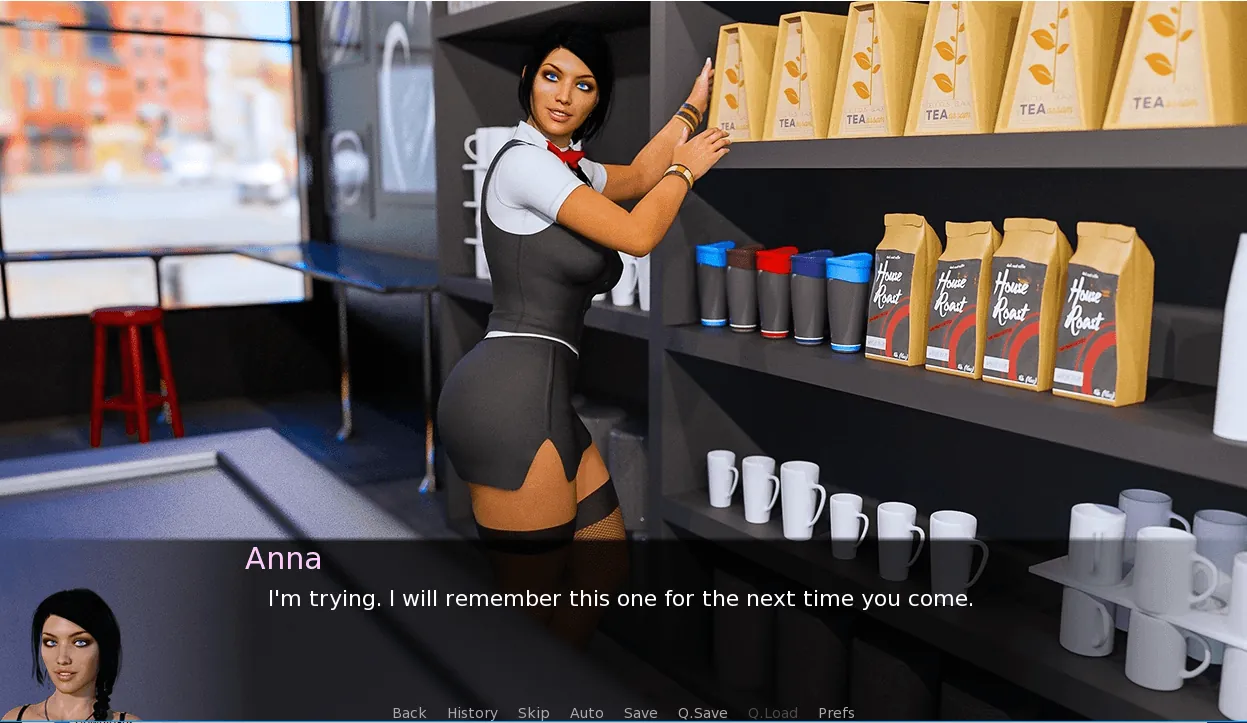
At its heart, The Gift Reloaded is a sophisticated interactive storytelling game built on the classic visual novel framework. You read narrative, see beautiful character art, and listen to atmospheric music. But that’s just the stage. The real show is your agency. You don’t just witness a story; you architect it through a powerful, central mechanic: The Gift.
This “Gift” is your ability to implant subtle, persuasive suggestions into the minds of other characters. It’s not about crude, instant domination. It’s about nuance, influence, and carefully bending the flow of social interactions and events to your will. The core player choice mechanics revolve entirely around when, how, and on whom you use this power.
Here’s a quick list of the key systems you’ll be mastering:
- The Suggestion System: The core mind control game features. You spend a resource (often tied to your character’s focus or energy) to make a character more receptive to an idea.
- Attitude Meters: Hidden (or sometimes visible) gauges that track each character’s feelings toward you—like Trust, Affection, Fear, or Submission.
- Pathway Branching: Major and minor decision points that permanently split the narrative into different directions, relationships, and endings.
- Resource Management: Balancing your “influence” resource, your character’s mental state, and sometimes in-game time.
- Unlock Triggers: Certain events, dialogues, or story beats only become available when specific conditions with characters are met.
The genius of The Gift Reloaded gameplay is how these systems interlock. Using your Gift isn’t a cheat code; it’s a narrative tool with consequences. A suggestion might make someone agree to a date tonight, but lower their long-term Trust because they feel manipulated. Do you use your power to smoothly resolve a conflict, or save it for a more critical moment later? This constant weighing of options is what defines the experience.
### Mind Control Mechanics and Player Agency 🧠
Forget what you know about mind control from other games. This isn’t a “cast spell, get result” system. The mind control game features in The Gift Reloaded are deeply woven into its visual novel mechanics, creating a delicate dance of social engineering.
Your power works through subtle suggestions. In dialogue, you might get a special option tagged with a unique icon or color. Choosing it doesn’t mean the other character immediately obeys. Instead, it shifts the “weight” of the conversation. You’re essentially stacking the deck in your favor. For example, you could suggest, “You look like you could use a break,” to make a workaholic character more likely to accept your later invitation to leave the office.
My Personal Insight: Early on, I tried to use the Gift on every single check. Big mistake. I drained my resources and made characters feel strangely “off,” leading to uncanny, hollow interactions. I learned that the most satisfying player choice mechanics involve strategic restraint. Sometimes, the most powerful move is to be genuinely persuasive without using your supernatural edge.
The agency here is profound. The game presents you with scenarios, but how you navigate them is entirely up to your chosen persona. Do you want to be a benevolent guide, using your Gift to help others overcome their insecurities and build a genuine, trusting harem? Or do you prefer the thrill of being a puppet master, weaving a web of dependency and control where characters are drawn to you by subtly altered desires?
This framework allows for wildly different The Gift Reloaded gameplay styles:
* The Charmer: Uses the Gift sparingly, to enhance natural charisma and open up deep emotional routes.
* The Strategist: Plans suggestions like chess moves, carefully engineering specific outcomes and relationship dynamics.
* The Explorer: Experiments freely, reloading saves to see just how far a suggestion can bend a character’s will and what bizarre story branches it unlocks.
Every suggestion is a meaningful interactive storytelling game choice. It costs something, it risks something, and it changes the narrative landscape. This ensures you’re never a passive passenger.
### Progression Systems and Character Interactions 💞
How do you actually move forward in The Gift Reloaded? Unlike games with explicit levels, your progression is measured through relationships and story milestones. The character progression system is dual-layered: it’s about your own understanding and mastery of the world, and about deepening your bonds (or control) with other characters.
The primary vehicle for this is the Attitude System. Each major character has internal meters tracking their feelings. Your choices, dialogue, and use of the Gift all feed into these hidden stats. They aren’t just a “like” meter; they are multidimensional. A character might have high Affection but low Trust, creating a volatile, clingy dynamic. Or high Submission but low Affection, leading to a cold, obedient relationship.
| Attitude Tier | General Unlocks | Impact on Story |
|---|---|---|
| Neutral / Acquaintance | Basic dialogue, initial story scenes. | The default starting point. Story follows a “common route.” |
| Positive Rapport (Trust/Affection) | Personal conversations, backstory reveals, optional hangouts. | Branching begins. Character-specific scenes and problems emerge. |
| Deep Bond or High Influence | Intimate scenes, key decision points, character-specific story paths. | You lock into a character’s route. Their personal arc becomes central to the plot. |
| Altered Dynamic (High Submission/Fear) | Alternative intimate scenes, obedience-based options, darker story variants. | Unlocks “corrupted” or manipulative endings for that character’s route. |
Let’s look at a practical example. Say you’re interacting with Emma, a studious, shy classmate. Early on, you can use a small suggestion to “encourage her to share her notes.” This might bump a hidden “Openness” meter.
- Choice A (Using The Gift): You suggest she sees you as a study partner she can rely on. This efficiently raises Openness and unlocks a new scene where she invites you to the library.
- Choice B (Not Using The Gift): You spend several in-game days engaging her in normal conversation about classes, slowly building a natural rapport. This takes longer but might raise “Genuine Connection” more than Openness.
Later, a crisis hits: Emma is considering dropping a tough club. Your available options here are directly gated by your earlier progression.
* If your Openness is high enough (from either method), you get the option to persuasively encourage her to stay.
* If your Genuine Connection is particularly high (likely from Choice B), you might get a unique option where she confesses her deeper fears, leading to an even more intimate scene and a special story branch about her family pressure.
This is the character progression system in action. It’s not linear. It’s a web of conditions and unlocks. Every interaction is an investment, and the returns are more story, more intimacy, and more power to shape the world. A The Gift Reloaded walkthrough basics principle is to focus on one or two characters per playthrough if you want to see their full, deep story.
Your progression is also tied to your own knowledge. Discovering a character’s likes, fears, and history isn’t just flavor text—it often provides new, more effective dialogue options and suggestion ideas that cost less resource. The game rewards observation and emotional intelligence, mirroring the core fantasy of its mind control game features.
Ultimately, The Gift Reloaded masters the balance between player freedom and narrative structure. The rails of the main plot are always there, but you have an incredible toolkit to decide how you ride them, who joins you, and what the scenery looks like along the way. By understanding these visual novel mechanics and the deep player choice mechanics at its core, you stop playing a story and start conducting it. Your next playthrough won’t just be different; it will feel like a completely different game.
The Gift Reloaded delivers a unique visual novel experience centered around player agency and meaningful decision-making. The game’s mind control mechanics serve as more than just a gameplay gimmick—they form the foundation of how players interact with the world and shape their narrative journey. Through its progression systems and character interaction framework, the game rewards exploration and experimentation, allowing each playthrough to feel distinct based on the choices you make. Whether you’re drawn to the interactive storytelling, the freedom to approach situations differently, or the branching narrative paths, The Gift Reloaded offers a compelling experience that emphasizes player choice and consequence. For those interested in visual novels with robust mechanics and meaningful player agency, this title presents an engaging option worth exploring.