Fantasy Valley
Play Fantasy Valley
Fantasy Valley Screenshots
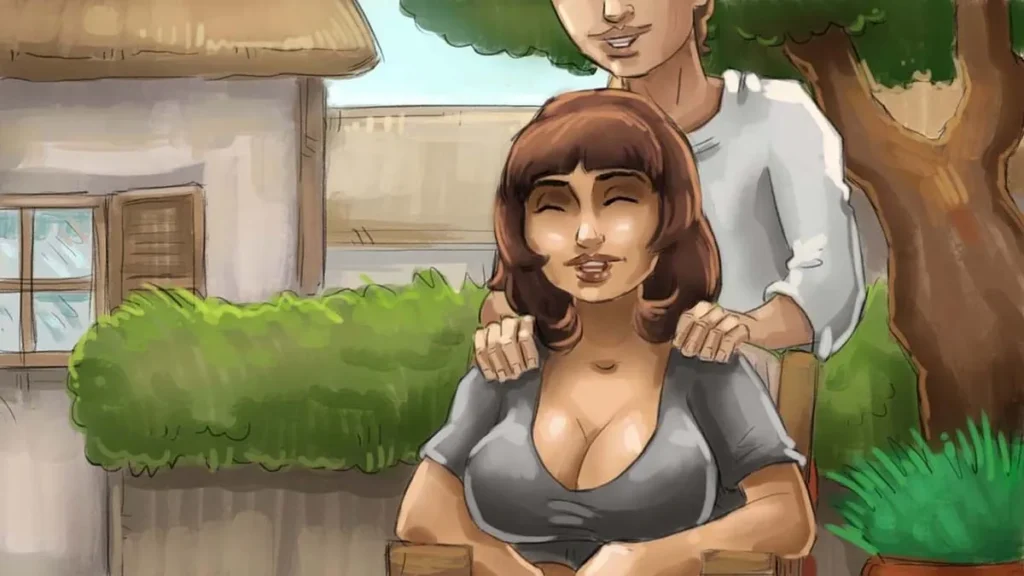
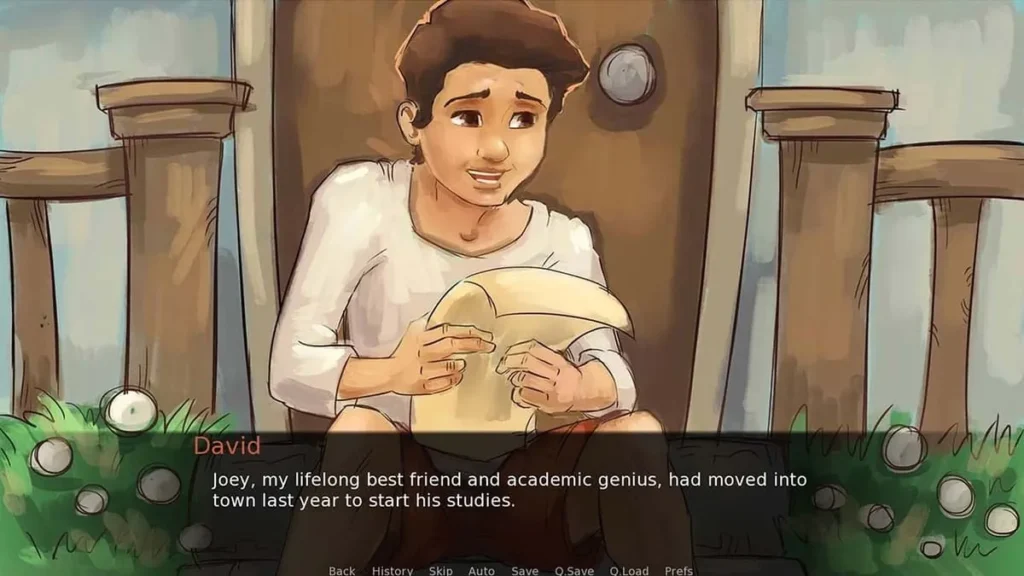


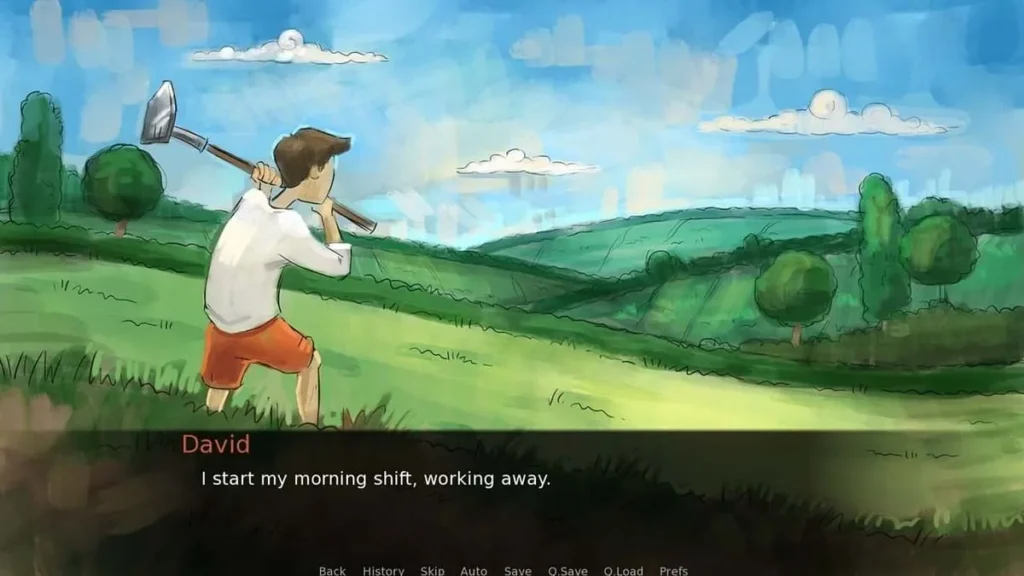
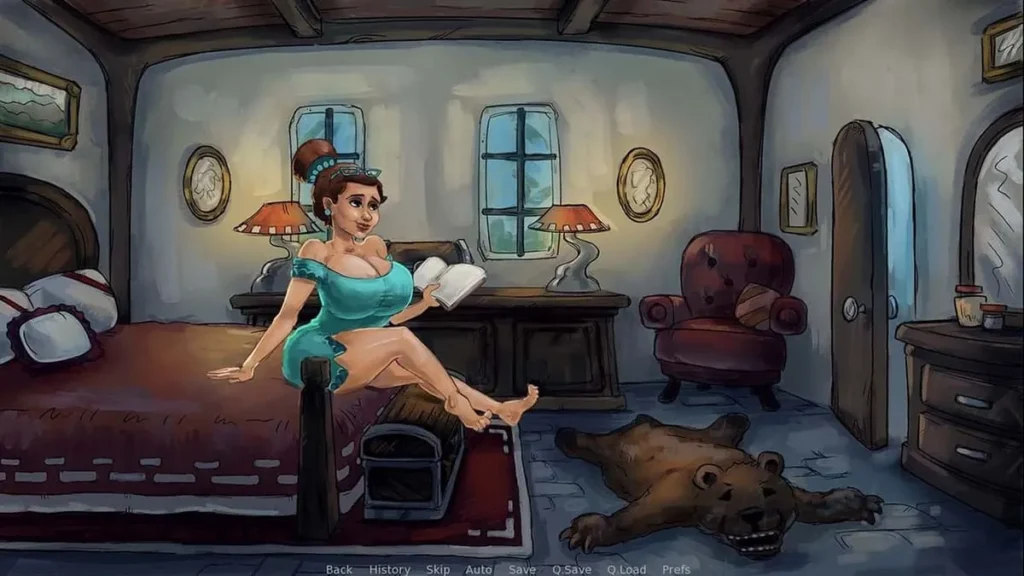
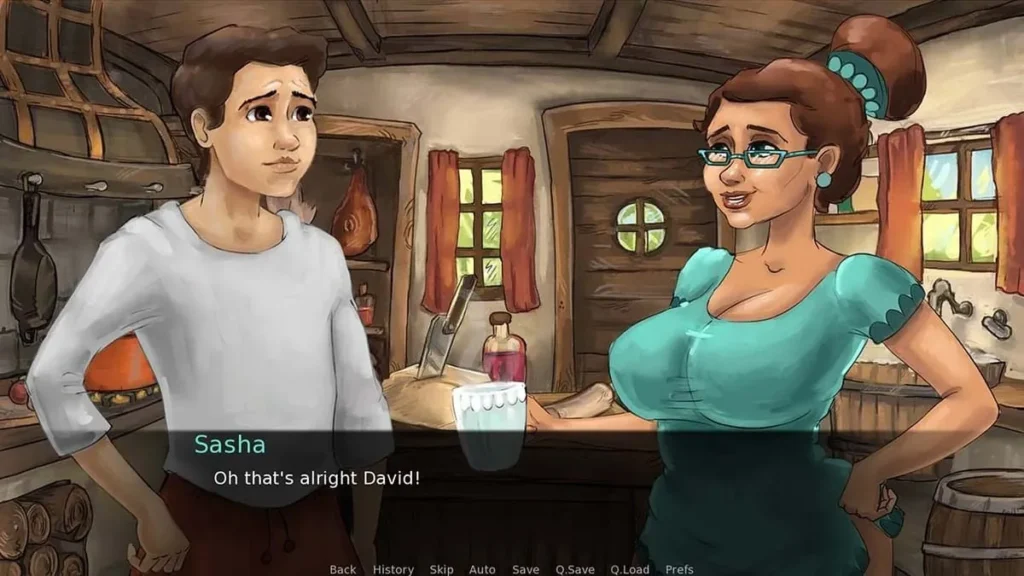

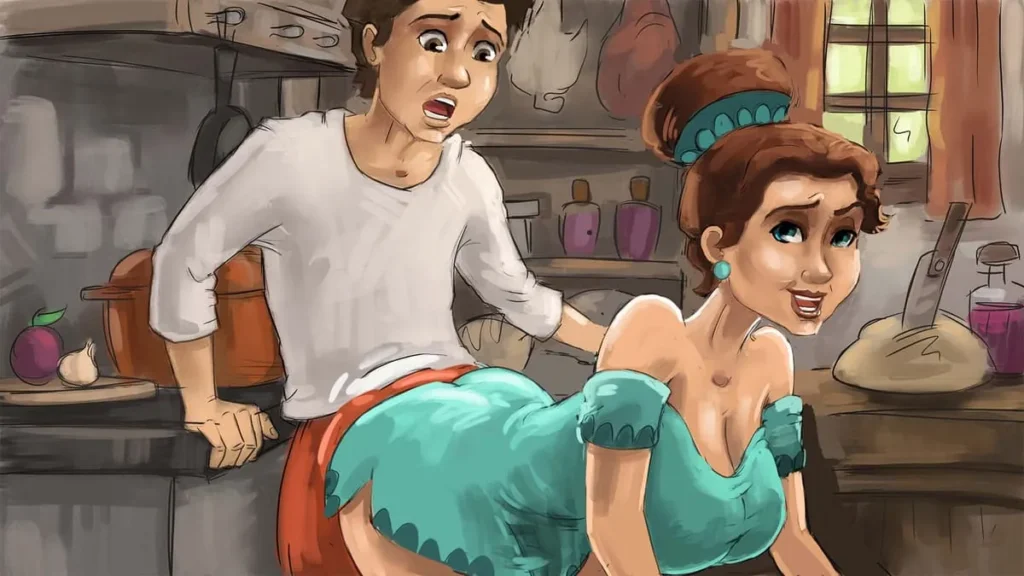

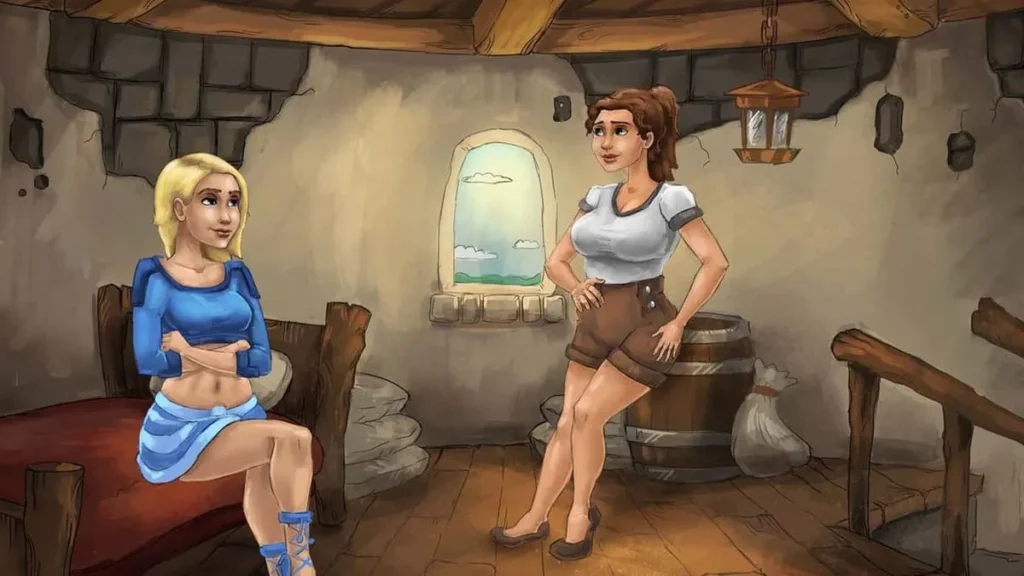

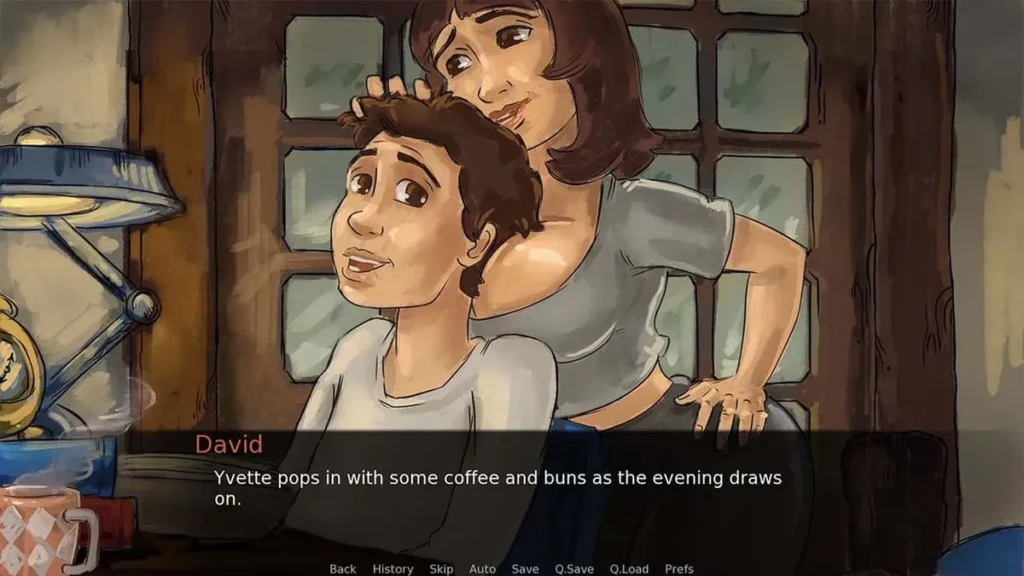
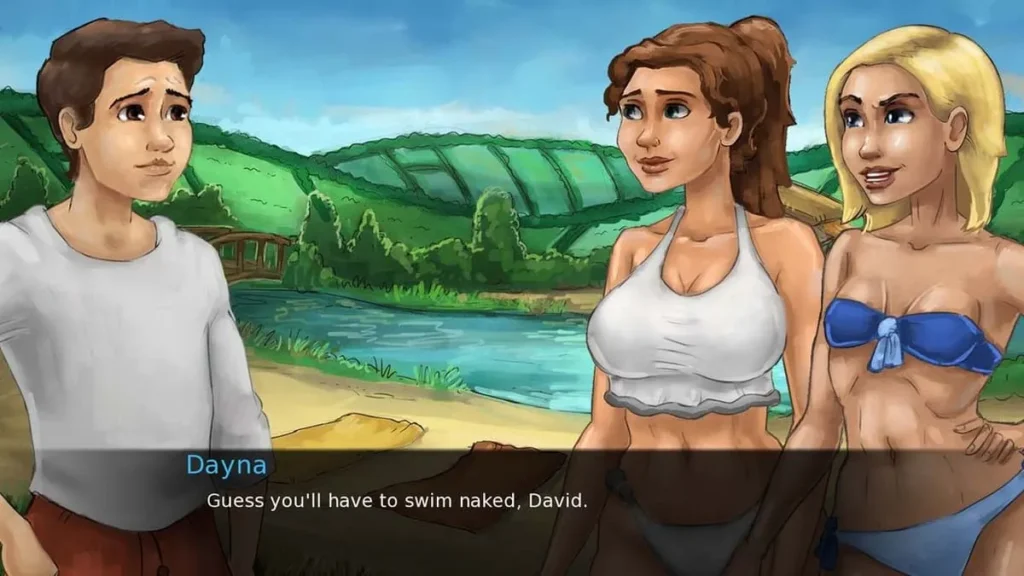
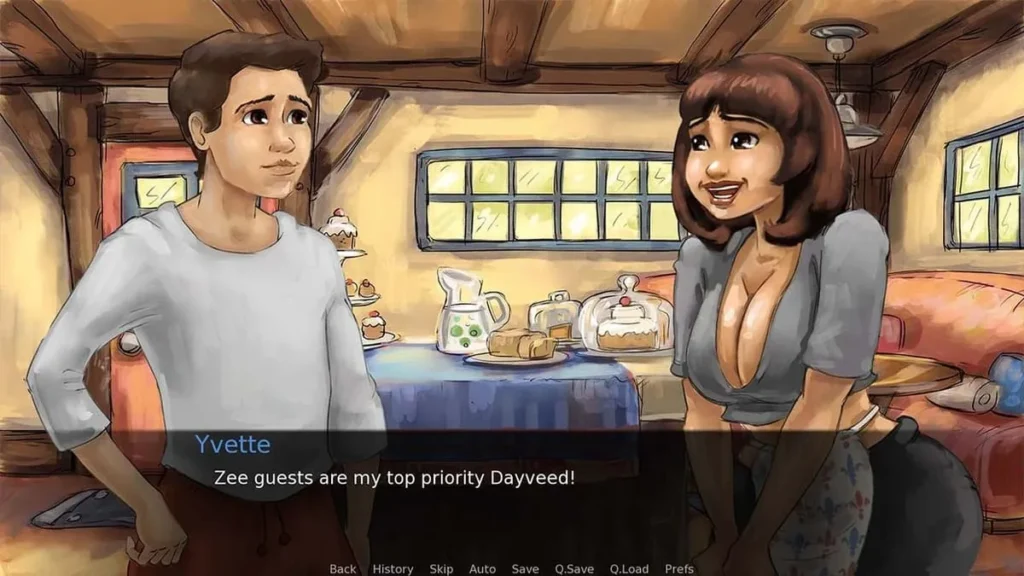
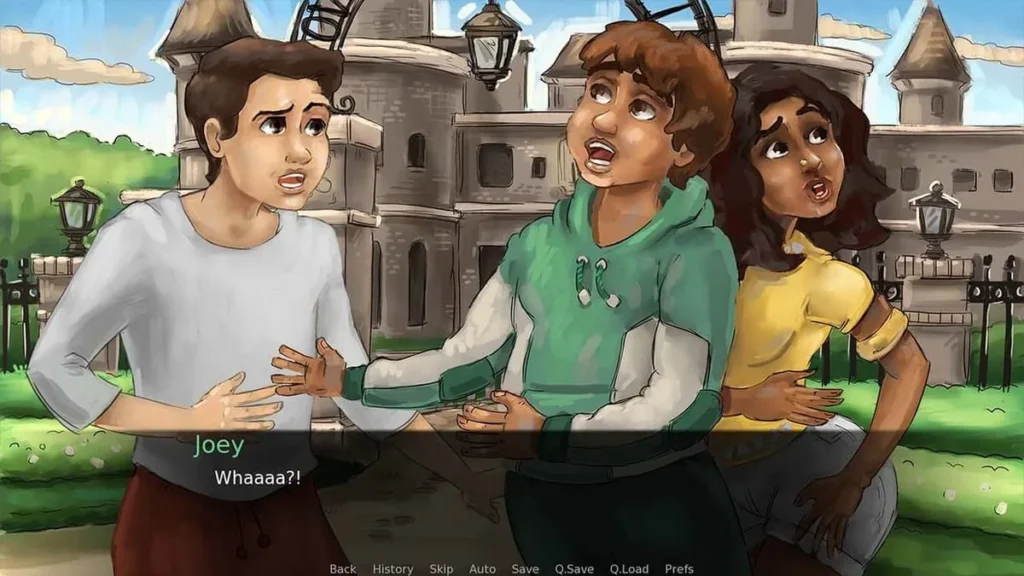
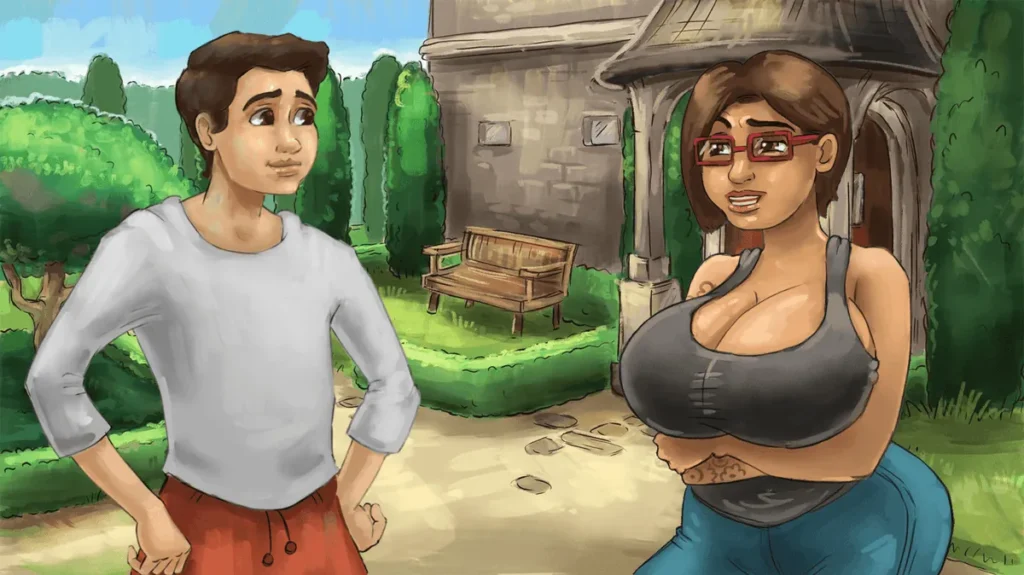
Fantasy Valley review
A personal, practical look at Fantasy Valley, its gameplay, characters, and player experience
Fantasy Valley is one of those games that quietly appears on your radar and then suddenly eats up entire evenings. When I first tried Fantasy Valley, I expected a simple, throwaway experience, but what I found instead was a surprisingly engaging mix of character interaction, exploration, and progression systems that kept pulling me back in. In this guide, I’ll walk you through how Fantasy Valley plays, what makes its world and cast so compelling, and the small details that really shape the overall experience. Think of this as a mix of review, personal diary, and practical handbook for anyone considering diving into Fantasy Valley for the first time.
How Fantasy Valley Plays: Core Loop, Progression, and First-Hour Experience
Let’s talk about what you’re actually doing when you boot up Fantasy Valley. Is it a frantic click-fest? A laid-back storybook? A complex stat-manager? The truth is, it’s a wonderfully balanced blend of all of the above, and understanding its rhythm is the key to falling in love with it. This part of our Fantasy Valley game guide is all about pulling back the curtain on the moment-to-moment Fantasy Valley gameplay and progression systems that make it tick. 🎮
Think of your time in the valley as a series of meaningful, connected choices. You’re not just watching a story unfold; you’re actively weaving it through how you spend your time, who you talk to, and what you choose to say. The controls are simple—primarily point-and-click to move your character around the beautiful, hand-drawn hub areas—but the implications of your actions run deep.
What is the core gameplay loop in Fantasy Valley?
At its heart, how to play Fantasy Valley revolves around a satisfying daily cycle. Your in-game day is divided into chunks of time (morning, afternoon, evening), and your energy is a precious resource. Every action, from chopping wood to charming a local, costs a slice of that energy. This creates a delicious tension: do you use your day to improve yourself, to deepen a relationship, or to explore that mysterious, foggy path you just unlocked?
A typical in-game day for me looks something like this:
- Morning: Check the mailbox for any letters or small quests. Then, I’ll often tackle a quick resource-gathering activity or a job to earn some gold. Maybe I’ll fish at the pier if I need ingredients for a later recipe.
- Afternoon: This is my main exploration and social block. I’ll visit 2-3 locations, seeking out specific characters I’m trying to befriend or looking for new areas I’ve heard about. This is when I’ll pursue the main story threads or personal quests for the valley’s residents.
- Evening: Energy is low, so it’s time for quieter, often more intimate interactions. Sharing a meal at the tavern, returning a found item, or using my remaining energy on a skill that doesn’t require much running around. The game often saves special, story-heavy scenes for these later hours.
The magic is that this loop never feels monotonous. Why? Because every action feeds into multiple Fantasy Valley progression tracks. Chopping wood isn’t just for logs; it raises your Strength skill, which might unlock new dialogue options with the blacksmith. Giving a foraged flower to a character doesn’t just make them smile; it inches their relationship meter forward, which can unlock entirely new questlines and scenes. It’s a system where everything matters, and you’re constantly rewarded for your curiosity.
My biggest “aha!” moment was realizing I didn’t have to do everything every single day. Early on, I was running my character ragged, trying to talk to everyone and check every corner before the clock ran out. I ended up exhausted with little to show for it. The game gently teaches you that progression here is a marathon, not a sprint. Focusing on one or two goals per day is far more effective and satisfying.
Progression, stats, and choices: how deep does Fantasy Valley go?
This is where Fantasy Valley truly shines. It avoids being a simple visual novel by giving you robust, interconnected systems that make your journey uniquely yours. Let’s break down the key areas of advancement.
Character Stats & Skills: Your protagonist grows in tangible ways. You might have attributes like Charm, Cunning, Vitality, and Wisdom. These aren’t just numbers; they are gates and keys to the world. A high enough Charm level might let you sweet-talk your way into a restricted garden. A boost in Cunning could help you solve a puzzle that stumps others. You raise these stats by performing related activities, making your daily choices directly shape your character’s capabilities.
Relationship Building: This is the soul of the Fantasy Valley gameplay experience. Each major character has a multi-layered relationship meter. Raising it isn’t just about giving gifts (though that helps!). It’s about remembering their schedule, choosing supportive dialogue options in conversations, and completing their personal story quests. Reaching new relationship tiers unlocks special, often poignant scenes that delve into their backstories. The beauty is that you cannot max everyone out in a single playthrough—your choices about who to spend time with genuinely define your narrative.
Unlocking the Valley: The map starts small and cozy, but as you progress, you’ll unlock new districts, forest clearings, mountain trails, and maybe even a hidden glen or two. Unlocks are typically tied to story milestones, relationship levels, or sometimes just by having a high enough skill to clear a blockage. There’s a constant sense of reward for pushing your boundaries.
To give you a clearer picture, here’s a snapshot of how these systems can interact:
| Your Daily Action | Direct Reward | Hidden Progression | Long-Term Unlock |
|---|---|---|---|
| Foraging herbs in the Sunwood | Gather 3x Moonleaf herbs | +1 to Wisdom stat; Discover a hidden foraging spot | Ability to craft a healing potion for a character’s quest |
| Helping the blacksmith mine ore | Earn 50 gold | +1 to Vitality; Blacksmith’s relationship +5 | Blacksmith offers to upgrade your tools, making future tasks faster |
| Choosing a supportive dialogue option with a struggling artist | See a unique character reaction | Artist’s relationship +10; Unlocks a new conversation branch about their past | Artist may paint you a gift later, which decorates your home |
My first hours in Fantasy Valley: what surprised me most
My Fantasy Valley first impressions were defined by pleasant surprises and a few lessons learned the hard way. I want to share my first two in-game days with you, not as a spoiler, but as a way to illustrate the game’s flow.
Day One: Wide-Eyed and Overwhelmed ✨
I tumbled out of the carriage into the town square, and my immediate instinct was to talk to everyone. I met the cheerful innkeeper, the stern-looking hunter, and the gardener who seemed lost in thought. I clicked on every sparkly object. By noon, my energy was gone, my inventory was full of random berries and bits of string, and I had only superficial introductions with half the town. I realized the game was asking me to be intentional, not exhaustive. The most valuable thing I did that first day was, ironically, stop. I sat on a bench and just listened to the ambient sounds, watching the characters go about their routines. I saw the baker take a break at 3 PM, and the librarian close up shop at dusk. This passive observation became my most important Fantasy Valley tip for beginners: learn the rhythms of the valley itself.
Day Two: A Focus and a Fumble 🎯
Armed with a bit of knowledge, I decided to focus on one person: the librarian, who seemed to know all the valley’s secrets. I used my morning energy to forage a rare, blue-hued flower I’d seen in a book in her library. I brought it to her in the afternoon. Her reaction was not the simple “thank you” I expected. Her eyes widened, and she asked, with genuine curiosity, “Where did you find this? It only grows near the old ruins… have you been there?” This single choice—giving a specific gift—opened up a completely new conversation thread about the valley’s history and hinted at a location I didn’t even know existed. It was a powerful lesson: choices have weight, and paying attention to small details (like what’s on a character’s bookshelf) can lead to big discoveries.
Later that evening, I made my first big fumble. I had saved up just enough gold to buy a new fishing rod. On my way to the shop, I passed the town troubadour, who looked dejected. A dialogue option appeared: “Cheer him up (Cost: 20 Gold).” I clicked it without thinking, buying him a drink. It was a lovely scene, but it left me 20 gold short for my rod! I had to spend the next day doing odd jobs to afford it. It taught me to manage my resources carefully and that sometimes, emotional rewards come with practical trade-offs.
So, is Fantasy Valley worth playing based on these first hours? Absolutely. It respects your intelligence, rewards your attention to detail, and weaves a personal story that feels directly authored by your decisions.
Actionable Tip: In your first session, don’t try to “win.” Try to learn. Pick one character that intrigues you and visit them two days in a row. Notice how their dialogue changes. Try one of each type of activity (forage, fish, a small job) just to see what skills they might boost. The goal is to gather information that will inform your future, more focused days.
To wrap up this Fantasy Valley game guide chapter, your early-game priorities should be:
1. Map the Core Locations: Find the town square, the inn, the general store, and at least one gathering spot like the forest or pier.
2. Meet the Key Characters: Get introductions, but then pick 1-2 to focus on initially. Depth beats breadth early on.
3. Experiment with One System: Dive into either fishing, foraging, or a part-time job. Understand how it works, what it costs, and what it rewards.
4. Watch the Calendar: If the game has a calendar or mentions festivals, make a mental note. Special events are often unmissable sources of rare items and big relationship boosts.
5. Save Before Big Choices: While there are no true “game over” states, saving lets you experience different dialogue branches without long-term commitment.
FAQ: Your First Steps in the Valley
Here are quick answers to some common questions I had when starting out.
How long does it take to understand Fantasy Valley gameplay?
You’ll grasp the basic loop within your first in-game week (about 1-2 real-time hours). The depth of the interconnected systems will keep revealing itself for dozens of hours, which is part of the fun. Don’t worry about mastering everything upfront.
Can you mess up your progress early?
Not permanently. Fantasy Valley is remarkably forgiving. You can’t lock yourself out of the main story, and while you might miss a specific scene or dialogue branch by choosing one path over another, that’s part of crafting your unique story. There are no “wrong” choices, only different ones. The only thing you can “waste” is your in-game time, which is easily rectified by just playing another day.
What’s the single best Fantasy Valley tip for beginners?
Talk to your pet or companion character (if you have one) and check the town bulletin board every morning. They often give you gentle hints about daily opportunities, character moods, or special events you won’t want to miss. It’s the game’s way of guiding you without holding your hand.
Fantasy Valley is one of those games that grows on you the more time you spend in its world. Once you understand the basic loop and how progression systems tie together, small decisions suddenly feel more meaningful, and the valley starts to feel like a place you genuinely know. By easing into the early hours, focusing on a few clear priorities, and letting yourself experiment with different paths, you’ll uncover the parts of Fantasy Valley that resonate most with you personally. If you’ve been on the fence about trying it, giving yourself just a couple of in-game days to explore is usually enough to see whether this kind of character-driven, valley-based experience is your style.