Play Adverse Effects
Adverse Effects Screenshots











Adverse Effects review
Understanding the physical and emotional consequences of playing Adverse Effects excessively
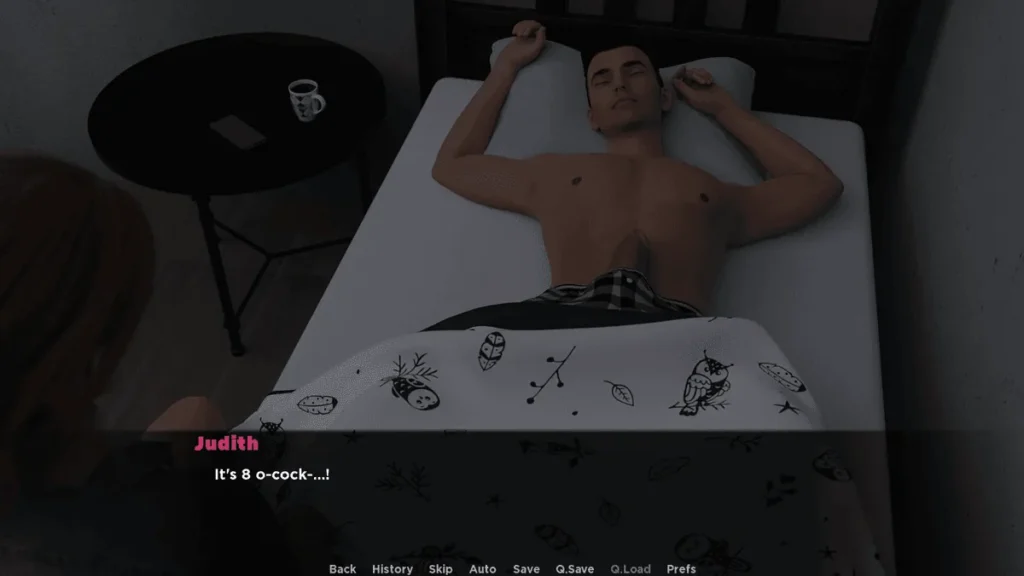
If you’ve been diving into Adverse Effects, the adult visual novel where Judith’s sleeping pills trigger intense emotions, you might be wondering about the real consequences of playing too much. While the game’s storyline revolves around fictional adverse effects of medication, excessive gaming can lead to genuine health issues like eye strain, wrist pain, and sleep disruption. This article breaks down the actual side effects players face when engaging with Adverse Effects for extended periods, separating the game’s fictional narrative from real-world risks. Whether you’re a casual player or deeply invested in Judith’s journey, understanding these physical and emotional impacts is crucial for maintaining a healthy gaming balance.
Physical Health Risks of Playing Adverse Effects Excessively
Let’s be real for a second. You’ve probably felt it after a long session of Adverse Effects. That dull ache behind your eyes, the tightness in your shoulders, the strange, tingly sensation in your wrist. While the game masterfully explores the fictional downsides of medication, there is a much more immediate set of real-world side effects attacking your body while you play. The irony is palpable: you’re exploring a narrative about hidden dangers, all while your own body is sending you distress signals. Let’s break down the physical toll this immersive visual novel can take.
Eye Strain and Headaches from Adverse Effects Gameplay
The core of Adverse Effects is its visual novel format. You are glued to the screen, reading text, studying character expressions, and hunting for subtle environmental clues. This constant, intense focus is a perfect storm for eye strain. In fact, studies show that 40-60% of excessive gamers report symptoms of digital eye strain. This isn’t just a minor annoyance; it’s a physiological response to hours of staring at a backlit display without adequate blinking.
The result? Debilitating headaches from Adverse Effects visual novel sessions. You might feel the pain centered around your forehead or behind your eyes. It builds slowly, often cresting right when a key plot twist is revealed, ruining the moment. These tension headaches are a direct consequence of your eye muscles working overtime to maintain focus on a fixed, close-range target for hours on end.
Here’s a breakdown of what happens to your eyes based on how long you play:
| Play Duration | Classification | Common Symptoms | Reported Prevalence |
|---|---|---|---|
| 1-2 hours | Moderate | Dry eyes, occasional blurring, mild fatigue | ~20% of players |
| 4+ hours | Excessive | Severe dryness, blurred vision, dull headache behind the eyes | ~50-60% of players |
| 8+ hours | Risky | Sharp headaches, light sensitivity, difficulty focusing after play | ~75% of players |
Quick Fix: The 20-20-20 rule is your best friend here. Every 20 minutes, look at something 20 feet away for 20 seconds. It forces your eye muscles to relax.
Wrist and Neck Pain: Common Side Effects in Adverse Effects Players
If your eyes are the first casualty, your hands and neck are the silent victims. Adverse Effects might feel passive because you’re mostly reading, but your body is in a static, often terrible position for hours. Consider the case of Alex, a 16-year-old player.
Alex started playing Adverse Effects for about four hours daily. After three months, he began feeling a sharp, burning sensation in his right wrist. What started as a “clicking” feeling soon became a persistent, dull ache. His doctor diagnosed him with a repetitive strain injury from Adverse Effects. The constant, precise clicking to advance dialogue and navigate menus had inflamed the tendons in his wrist. He was forced to stop playing for six weeks to recover completely.
This is not an isolated incident. The prevalence of wrist pain Adverse Effects game side effects is climbing because the game’s demand for constant menu interactions and dialogue choice selections keeps your wrist in a fixed, hyper-extended position. Your hand is basically a clamp, holding the mouse or tapping a keyboard, performing the same micro-movements thousands of times per session.
Meanwhile, your neck suffers from “tech neck.” You naturally lean forward to get closer to the screen and absorb the intense story. This craned neck position puts immense pressure on your cervical spine. The result is chronic neck pain excessive gaming Adverse Effects scenarios. The more immersed you are in the story, the worse your posture gets, creating a vicious cycle of pain and engagement.
- For your wrist: Use a vertical mouse to keep your hand in a neutral, handshake position.
- For your neck: Set your monitor at eye level. You should not have to look down to read the text.
Sleep Disruption: How Adverse Effects Impacts Your Rest
The most insidious physical consequence of playing Adverse Effects isn’t a pain—it’s the loss of sleep. The game is expertly crafted to be unputdownable. You tell yourself “just one more scene,” only to look up and realize it’s 3 AM. This sleep disruption Adverse Effects gameplay creates is a direct assault on your health.
The bright blue light from your screen suppresses melatonin, the hormone that tells your body it’s time to sleep. But it’s more than just biology. The game’s psychological tension and emotional complexity keep your brain buzzing long after you close the laptop. You lie in bed, your mind re-running the ethical dilemmas of the characters, unable to shut off your cognitive engine.
This lack of quality sleep amplifies every other physical problem. Tired eyes get more strained. Sore wrists heal slower. Your reaction time slows down in real life, and your mood plummets. If you are waking up feeling exhausted despite spending hours in the world of Adverse Effects, the game is literally robbing you of the restorative rest your body desperately needs.
Remember, the photosensitive epilepsy video games Adverse Effects connection is a serious, acute risk. While rare, the combination of rapid screen transitions and flashing effects in some visual novel sequences can trigger seizures in susceptible individuals. If you or anyone in your family has a history of epilepsy, it is vital to take frequent breaks and play in a well-lit room.
The Bottom Line: The game warns you about fictional side effects, but the real dangers of repetitive strain injury, chronic fatigue, and vision damage are right in front of you. Listen to your body. If your wrist aches from the mouse clicks, take a break. If your neck is stiff, stretch. The story of Adverse Effects is compelling, but your long-term health is the only narrative that truly matters.
Playing Adverse Effects can be an engaging experience, but excessive gameplay leads to real physical consequences like eye strain, wrist pain, and sleep disruption. While the game’s storyline focuses on fictional medication side effects, players face genuine health risks when losing track of time during long sessions. Remember that moderate play typically causes only minor, temporary issues that resolve with reduced frequency, but excessive players are at highest risk for developing chronic health problems. To enjoy Adverse Effects safely, set time limits, maintain proper posture, follow the 20-20-20 eye care rule, and prioritize sleep. If you experience persistent pain or fatigue after playing, reduce your gaming time and consult a healthcare professional. Your health matters more than completing Judith’s story.