
Vae Victis – Khan: Conquer, Ravish, Breed
Play Vae Victis – Khan: Conquer, Ravish, Breed
Vae Victis – Khan: Conquer, Ravish, Breed Screenshots

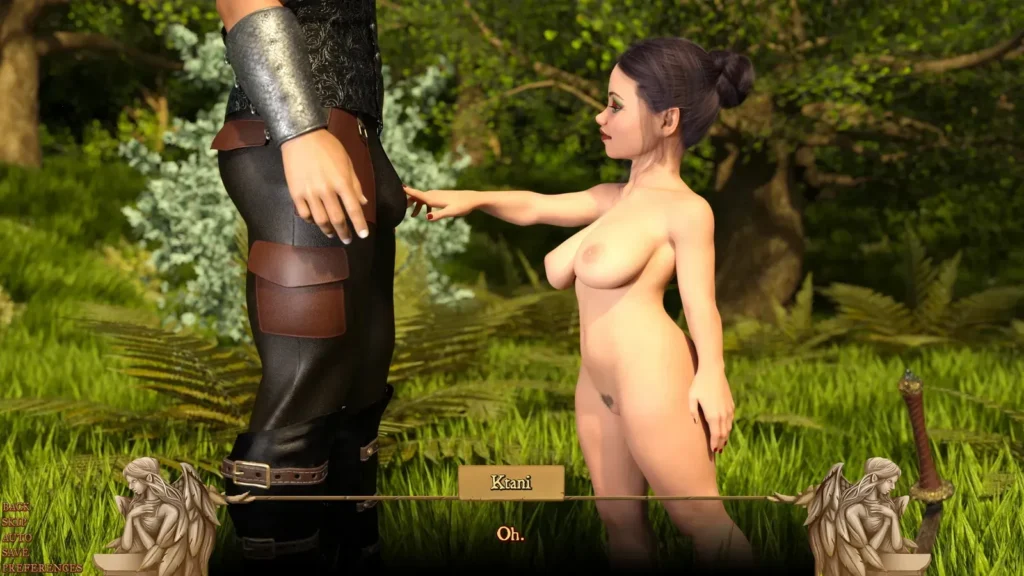


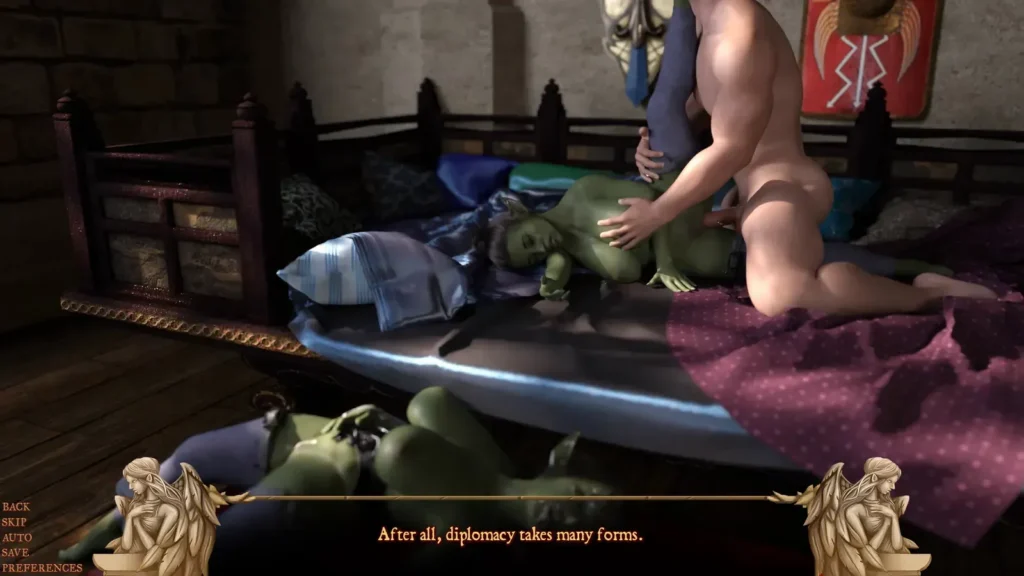

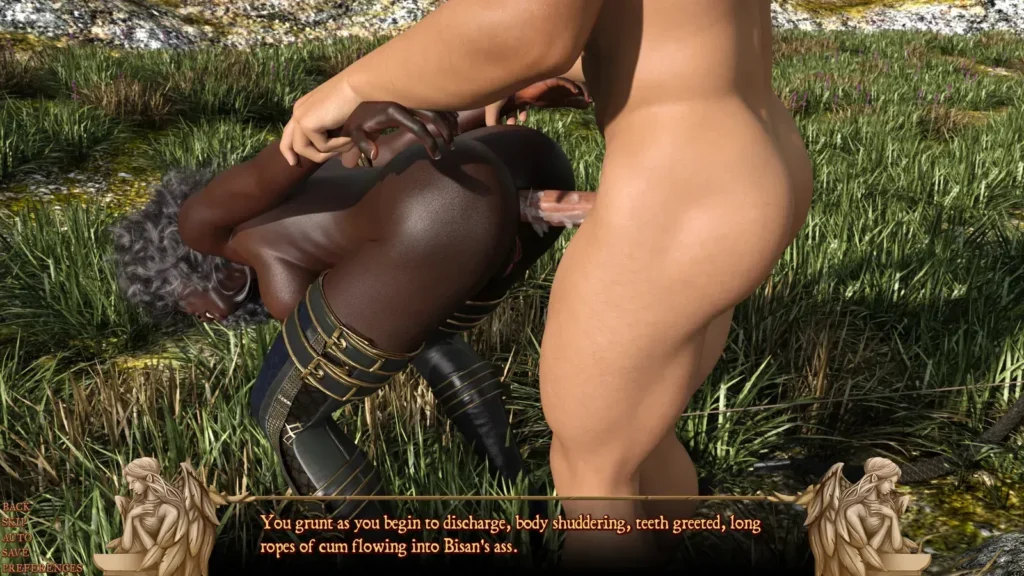
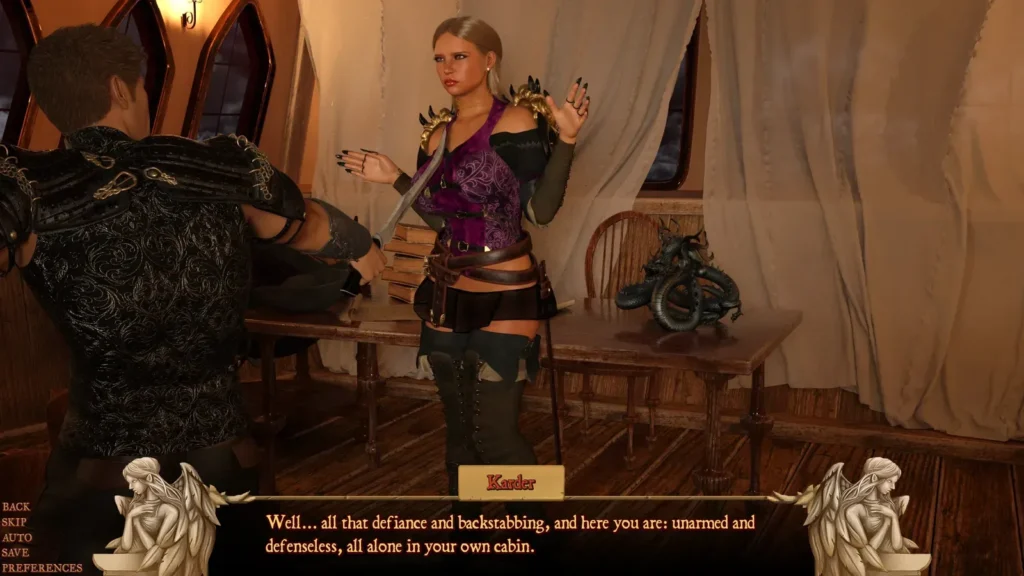
Vae Victis – Khan: Conquer, Ravish, Breed review
Master the empire simulator where conquest, seduction, and domination define your path
Welcome to the ultimate guide for Vae Victis – Khan: Conquer, Ravish, Breed, a groundbreaking game that merges strategic empire management with intense adult themes. In this revenge-driven saga, you lead Karder Dal-Arouya, a fugitive prince, to reclaim his throne while building a harem of conquered beauties. The motto ‘Conquer, Ravish, and Breed’ is not just a slogan—it’s the literal core of gameplay, offering choices between dark exploitation or seductive alliance. Whether you’re mastering turn-based combat, managing fiefdoms, or navigating branching narratives, this guide covers everything you need to dominate your Khaganate and fulfill your desires.
Gameplay Mechanics: Empire Building and Adult Domination
How Turn-Based Combat and Fiefdom Management Work
Let me be honest with you: when I first started my journey as a Khan-in-exile, I felt like I was trying to juggle daggers while riding a horse. The Vae Victis – Khan gameplay mechanics threw me into a deep end of strategy systems I didn’t fully expect. But once I understood the rhythm, it clicked beautifully.
The core loop here is surprisingly elegant. You have two primary screens you’ll be bouncing between: the overland campaign map where turn-based combat happens, and your fiefdom management interface where you decide the fate of conquered territories. Think of them as cause and effect. Every battle you win gives you more land to manage. Every territory you mismanage makes your next battle harder because your troops come from those very fiefdoms.
Turn-based combat in Vae Victis is not a simple slugfest. It’s a tactical puzzle where positioning and troop type matter immensely. You have light cavalry, heavy infantry, archers, siege engines, and a few special units that unlock as you expand your harem. Each unit has a rock-paper-scissors relationship with others. For example, archers devastate slow infantry but get shredded by cavalry that can close the distance in a single turn.
“I learned the hard way that charging your heavy infantry toward archers without a shield wall is a one-way ticket to a funeral pyre.” – My first campaign, session two.
When you conquer a fiefdom, the real work begins. Fiefdom management in the Khan game revolves around two resources: gold and obedience. Gold funds your army and builds structures. Obedience is more nuanced. It’s a meter that represents how much the conquered population fears and respects you. Let it drop too low, and rebellions sprout up like weeds. Keep it high, and they’ll pay taxes without complaint.
The game teaches you early that brute force alone won’t sustain an empire. You must invest in garrisons, build temples to your lineage, and occasionally make examples of troublemakers. The tutorial does a solid job walking you through these basics, but the real depth comes later when you have ten fiefdoms and each one requires your attention.
Pro tip: Always prioritize building the Shadow Institute in your capital first. This structure gives you passive obedience generation across all provinces and unlocks subtle intrigue options on the campaign map. It’s not flashy, but it’s the backbone of a stable Khaganate.
Understanding Seduction vs. Exploitation Choices
Here is where Vae Victis – Khan really steps away from the crowd. The branching narrative of Vae Victis is built around a fundamental tension: will you earn loyalty through genuine connection, or will you rule through terror? Both paths lead to power, but they lead to different kinds of power.
When you encounter a high-value character after battle—whether it’s a rival warlord’s daughter, a noblewoman, or a cunning spy—you get a moment of choice. The seduction vs. exploitation in Vae Victis system presents you with a branching decision that affects everything from your empire’s long-term growth to the relationships within your inner circle.
The Seduction Path:
Choosing this costs time and resources. You’ll send gifts, engage in dialogues, and complete small quests for the character. The payoff? These characters become loyal lieutenants. They boost troop morale, increase tax efficiency in their assigned fiefdoms, and can even unlock unique campaign abilities. However, they require consistent attention. Ignore them too long, and their loyalty fades.
The Exploitation Path:
This is faster and requires less emotional investment. You use fear and direct control to break a character’s will. The immediate payoff is higher obedience in the short term and a direct injection of influence. However, exploited characters will seek any chance to betray you. They’ll pass information to your enemies in battle and can trigger negative events like poisoned food or misplaced orders.
To help you visualize the trade-off, here is a direct comparison:
| Aspect | Seduction Path | Exploitation Path |
|---|---|---|
| Time Investment | High | Low |
| Long-Term Loyalty | Very High | Very Low |
| Empire Growth | Steady, with bonuses | Rapid, but unstable |
| Character Relationship | Deep and reciprocal | Shallow and transactional |
| Risk of Betrayal | Minimal | Constant and high |
My personal advice? Don’t commit fully to one path until you have at least three fiefdoms under your belt. Use the early game to experiment and see which style fits your preferred approach to the branching narrative in Vae Victis. I found that a mixed strategy—seducing high-potential characters while exploiting minor nobles—gave me the best balance of stability and growth.
Mastering the Dungeon and Breeding Mechanics
Now we come to the section that many players find either captivating or controversial: the dungeon breeding mechanics in Khan. Let me explain this clearly because it’s often misunderstood.
The dungeon is not a punishment tool. It’s a resource production center. When you have subdued a character, you gain access to a dungeon beneath your palace. Here, you can assign specific roles to characters that directly support your war effort and empire management. The primary function is breeding, but it’s tied to a strategic layer of obedience management in the Khan game.
Here is how it works step by step:
1. Assign a worker: Each dungeon slot can hold one subdued character.
2. Select a task: Characters can be assigned to breeding, manual labor, or intelligence gathering.
3. Monitor the output: Breeding generates lineage soldiers—unique troops with stat boosts that can be deployed in your next battle. Labor generates raw gold. Intelligence generates passive scouting reports on enemy positions.
4. Manage obedience: A character’s obedience level determines their efficiency. At high obedience, they produce at 100% capacity. At low obedience, they waste resources and can trigger escape events.
The dungeon breeding mechanics in Khan tie directly into your empire’s growth because lineage soldiers are arguably the strongest troops in the game. A single unit with high lineage can turn the tide in a difficult fight. However, there is a catch. Over-focusing on breeding neglects the fiefdom management side of the Khan game. I made this mistake. I got obsessed with building the perfect lineage soldier and neglected my northern provinces. By the time I looked up, I had a rebellion that cost me three villages.
“Your dungeon is a scalpel, not a hammer. Use it precisely, or it will cut you.”
Balance your attention. Check your dungeon output once every five turns. Use the Shadow Institute to passively boost obedience across all your territories, which includes your dungeon workers. Allocate your troops wisely: leave a small garrison behind when you march to war, or risk having your capital stormed while your best soldiers are miles away.
The high-risk, high-reward nature of building a brutal Khaganate is the beating heart of Vae Victis – Khan. Every choice, from which fiefdom to raid to which character to seduce or exploit, sends ripples through your entire empire. Embrace the challenge, learn from your failures, and soon you will be the name whispered in fear across every trading post and palace.
FAQ
Q: How does the dungeon breeding mechanic impact my armies?
A: It directly creates lineage soldiers that have higher base stats than normal recruits. These units can be assigned to your war bands and act as elite shock troops in turn-based combat in Vae Victis.
Q: What happens if obedience levels drop too low in a fiefdom?
A: Low obedience triggers rebellions that must be put down militarily. It also reduces tax income and can cause neighboring provinces to become unstable. Active obedience management in the Khan game is essential for a peaceful reign.
Q: Can I reassign troops from a queue to a different fiefdom mid-campaign?
A: Yes, but it costs gold and takes time. Troops must travel across the map, leaving their point of origin vulnerable. Always factor travel time into your campaign planning.
Q: Is there a way to reset a character relationship if I made a bad choice?
A: No permanent resets exist, but the branching narrative in Vae Victis does offer redemption opportunities through intense dialogue events and expensive gift-giving. It’s never truly lost, but it is costly to recover.
Q: What is the best first building to construct in my capital?
A: The Shadow Institute without question. It reduces the cost of all intrigue actions and provides a passive global bonus to obedience, making both your fiefdom management and dungeon oversight much easier.
Vae Victis – Khan: Conquer, Ravish, Breed delivers a unique fusion of strategic empire building and adult domination, where every choice shapes your Khaganate’s destiny. By mastering turn-based combat, managing fiefdoms, and navigating the seduction-exploitation spectrum, you can reclaim your throne while building a powerful harem. Remember to balance obedience, use the Shadow Institute wisely, and never rush post-conquest turns. Ready to dominate? Start your journey today and forge a brutal empire where conquest, ravishing, and breeding are your ultimate tools.