Twisted Memories
Play Twisted Memories
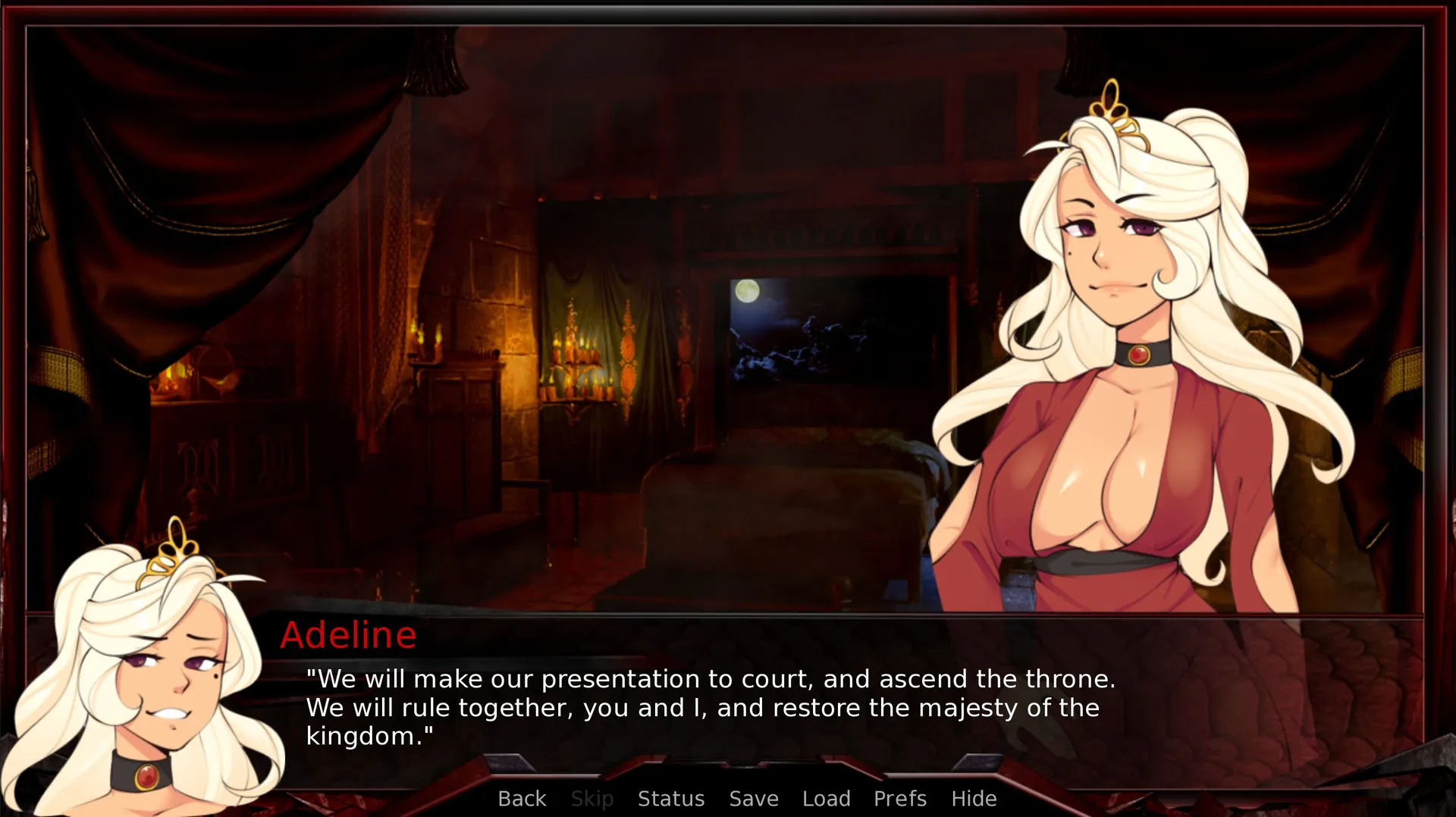
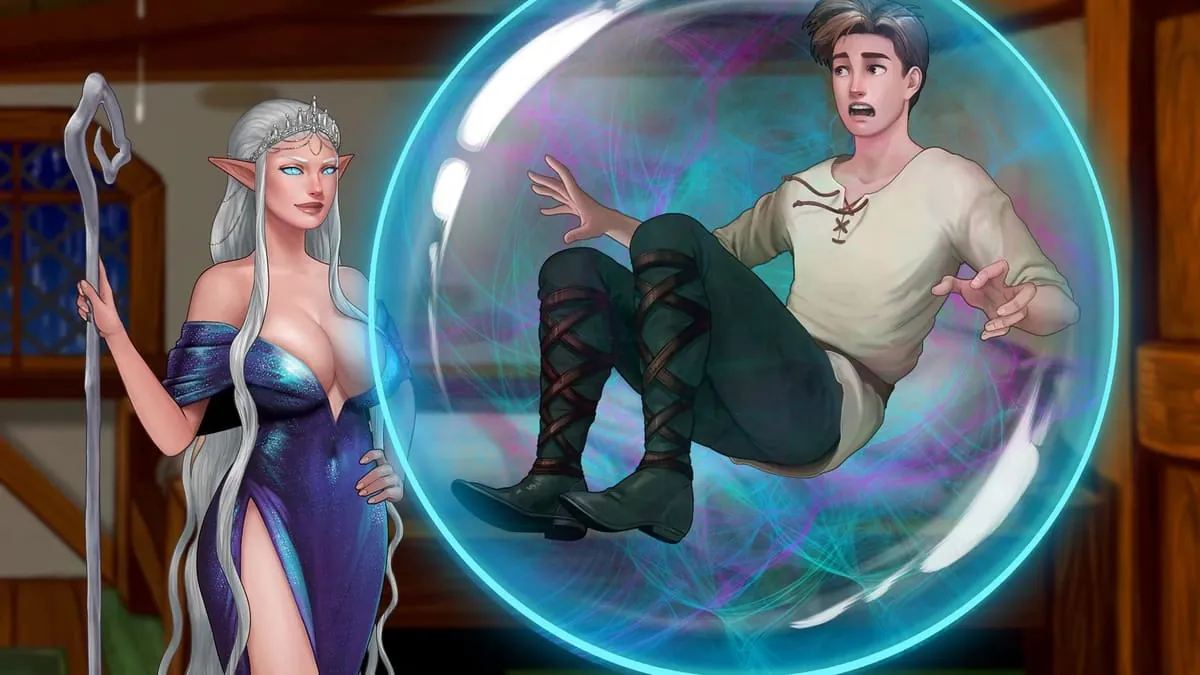
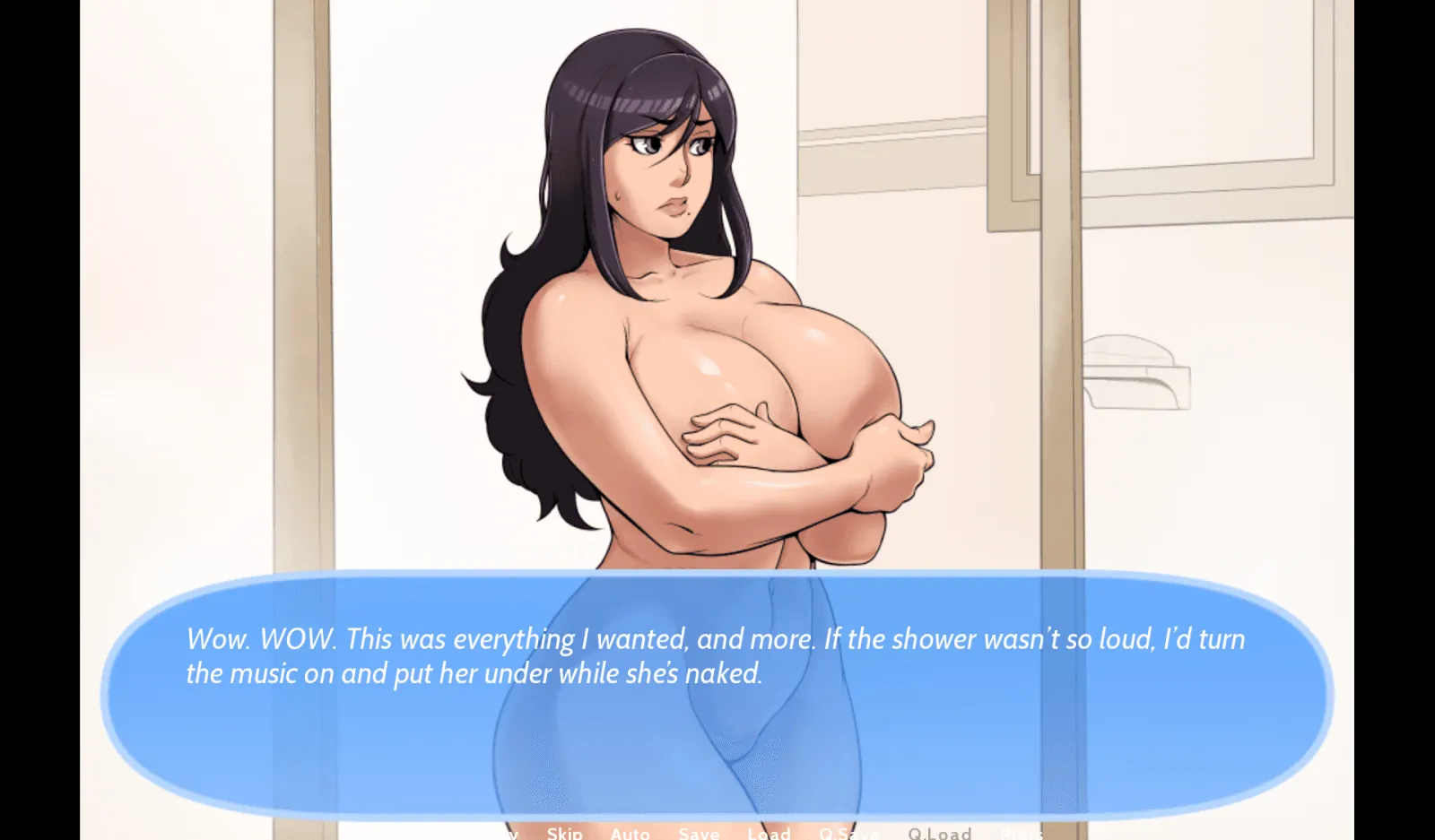
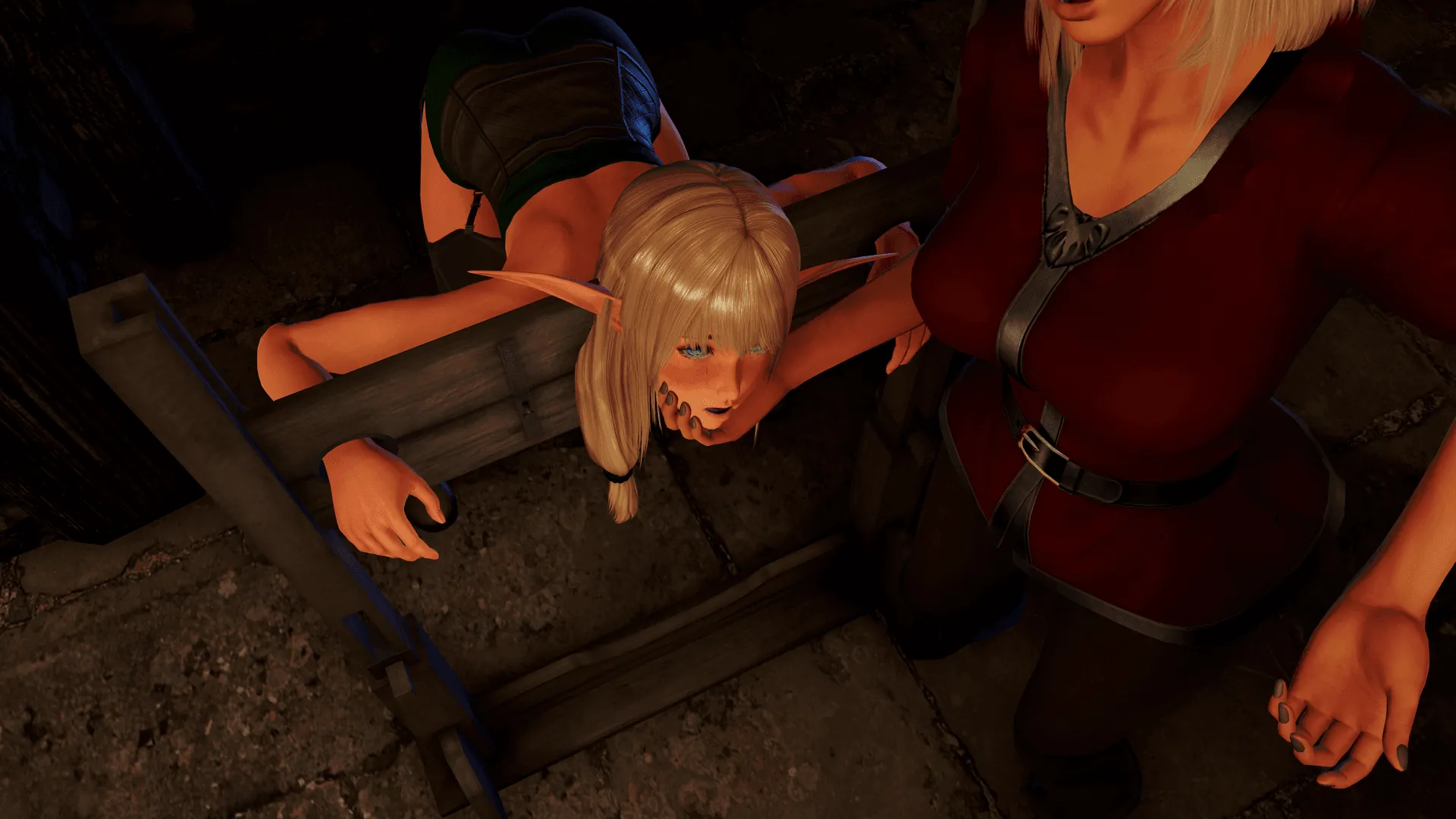
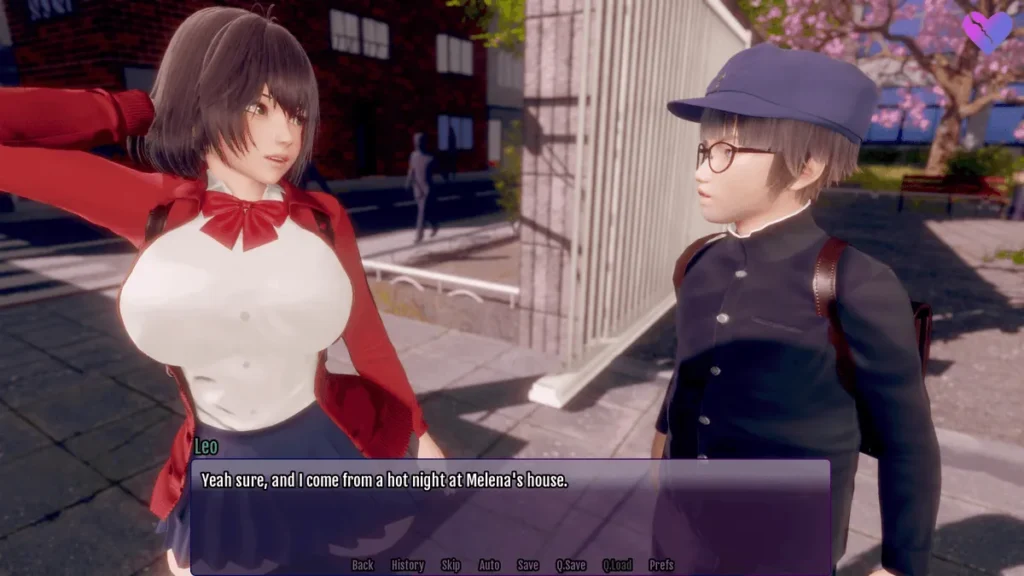
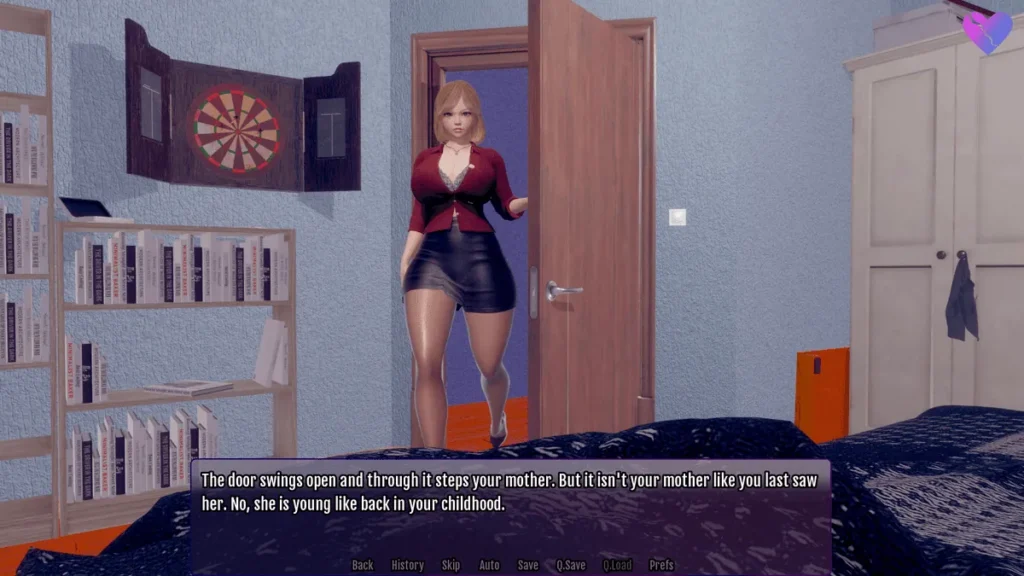
Twisted Memories Screenshots
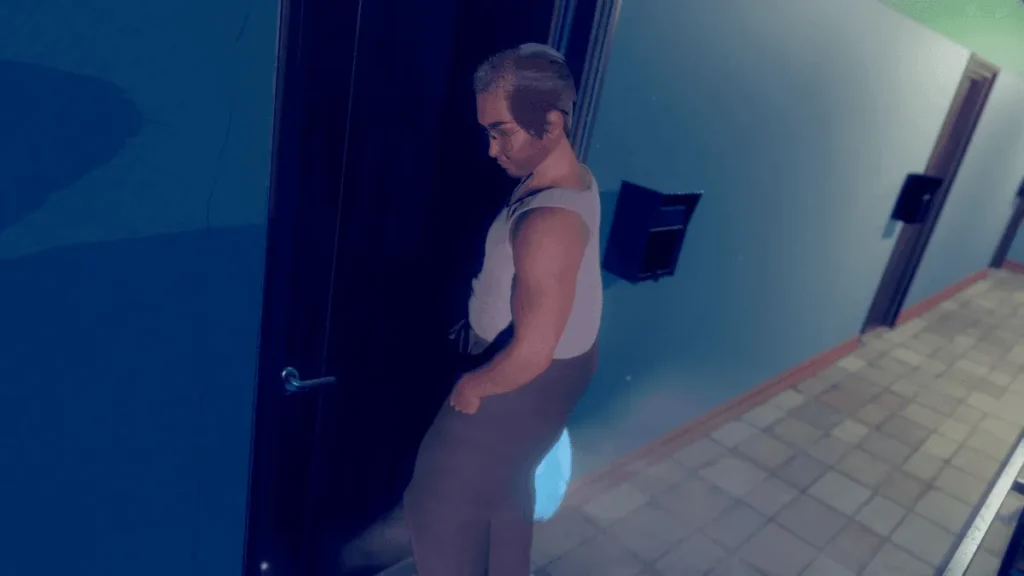
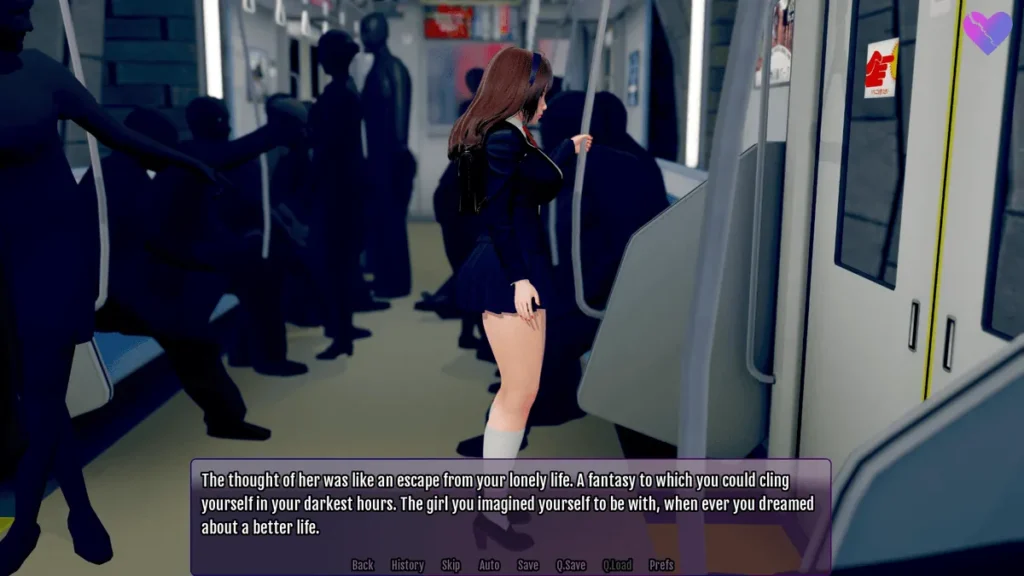

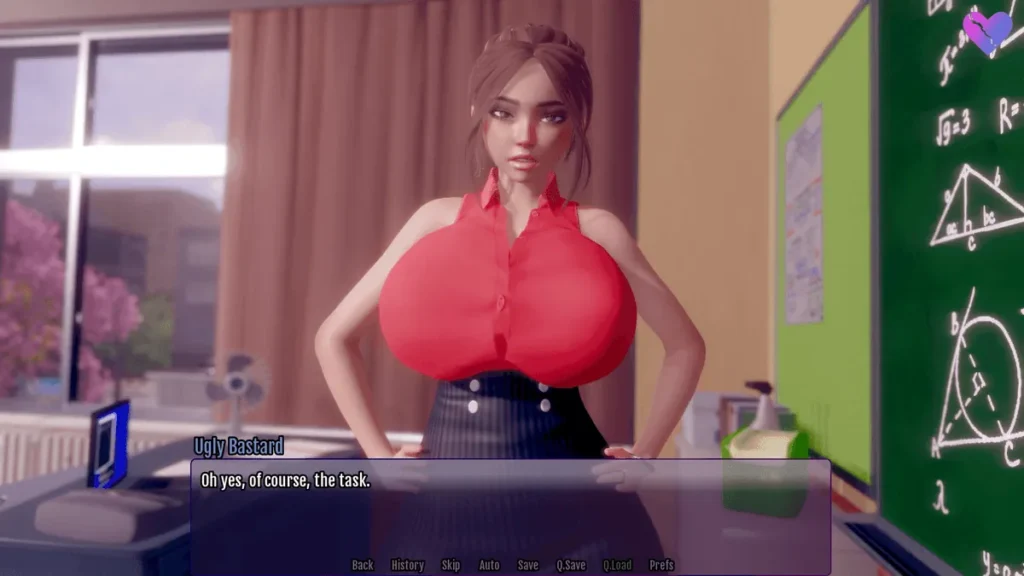
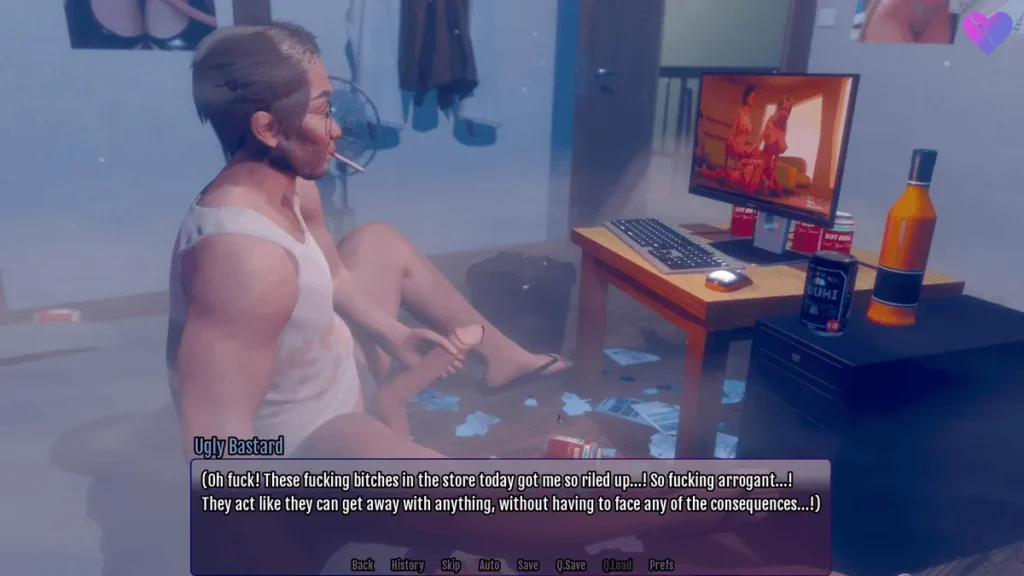
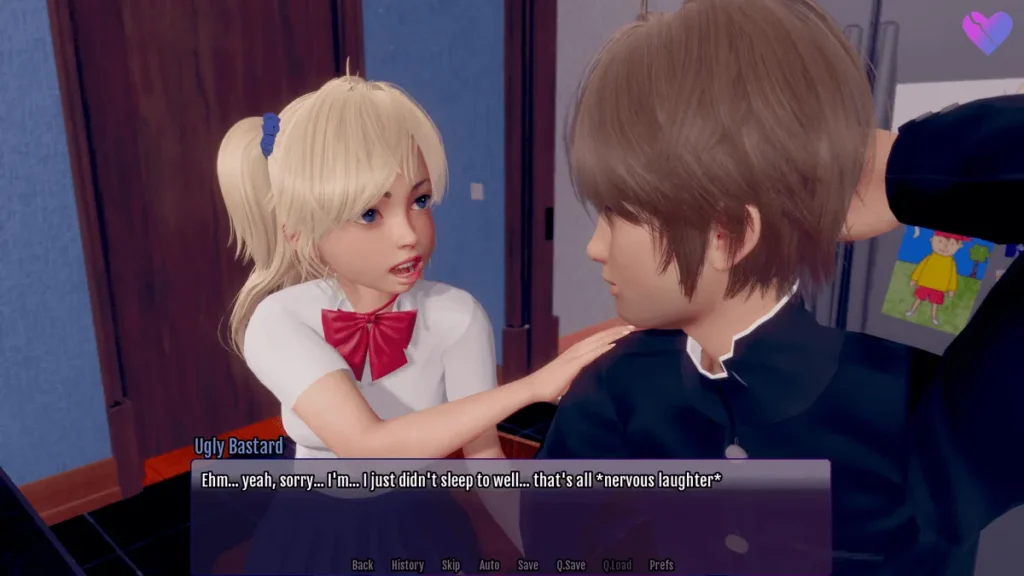
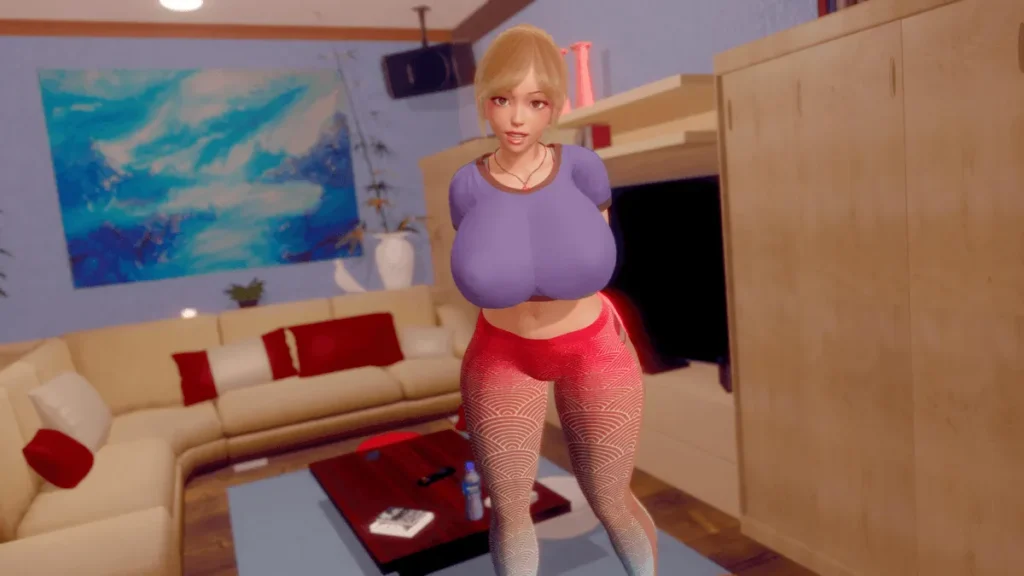

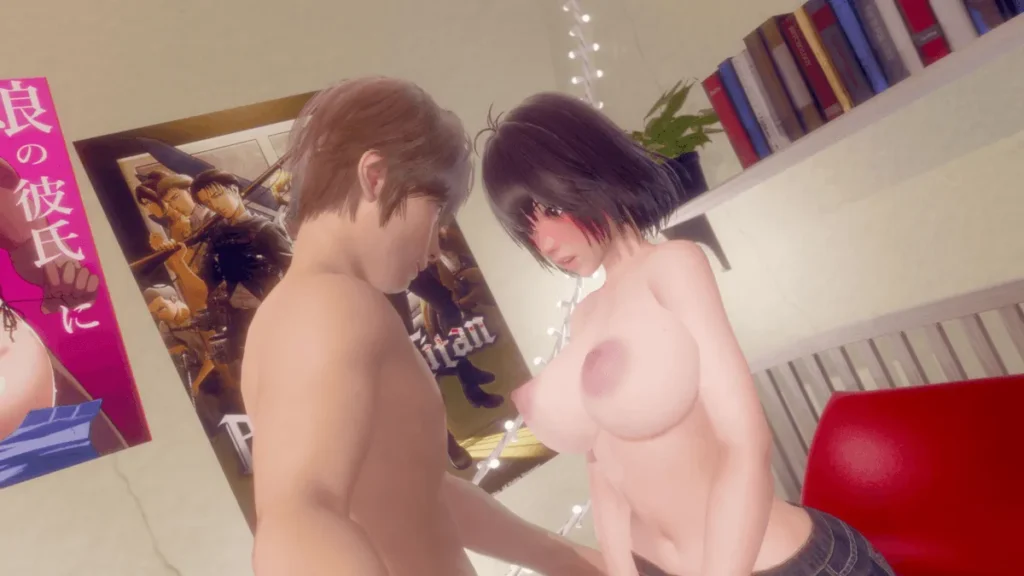
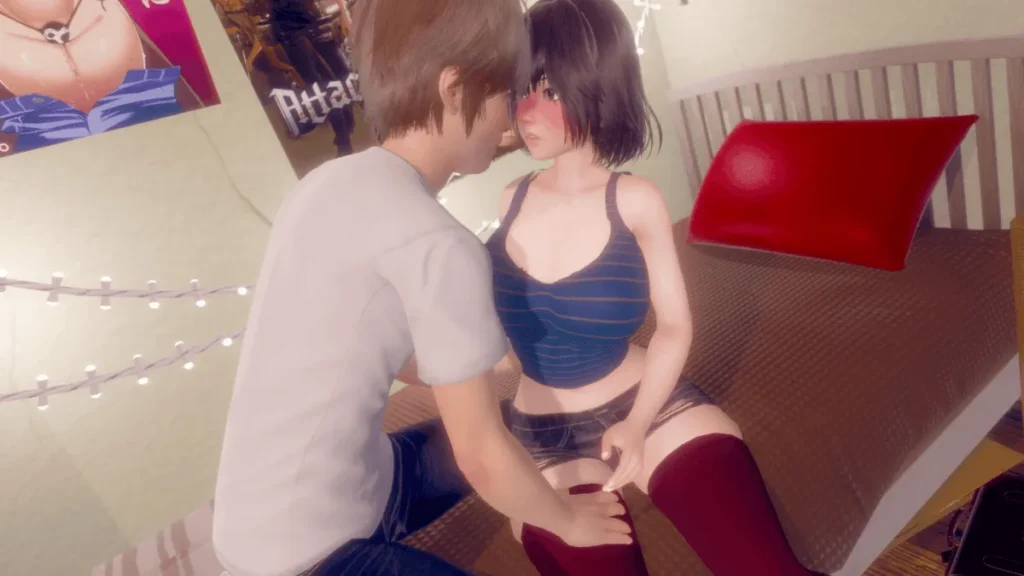

Twisted Memories review
Explore the narrative-driven experience, gameplay mechanics, and player choices in this story-rich title
Twisted Memories stands out as a narrative-focused experience that prioritizes storytelling and player agency over conventional gameplay mechanics. This game challenges players with meaningful choices that carry real consequences, creating a branching narrative where decisions shape relationships and story outcomes. Unlike typical games in its genre, Twisted Memories emphasizes character development and dramatic tension, rewarding players who engage thoughtfully with the narrative. Whether you’re drawn to character-driven stories, relationship dynamics, or games that respect player choice, understanding what makes Twisted Memories unique will help you determine if it matches your gaming preferences.
Understanding Twisted Memories: Game Overview and Core Concept
Ever downloaded a game expecting a bit of light-hearted fun, only to find yourself staring at the screen, genuinely stressed about a digital character’s feelings? 😅 That’s the Twisted Memories experience in a nutshell. This isn’t your typical narrative game where you casually pick dialogue options and watch a story unfold. From the moment you start, it becomes clear that this narrative-driven gameplay is built on a foundation of meaningful player choice consequences. Your decisions don’t just nudge the story; they reshape it, redefine relationships, and, yes, can lead to some spectacularly awkward or heartbreaking moments.
The core Twisted Memories game overview is deceptively simple: you navigate a story rich with complex characters and emotional depth. But the magic—and the challenge—lies in the details. The game meticulously tracks your every interaction, building a web of cause and effect that makes each playthrough uniquely yours. Forget about mastering a single “correct” path; here, understanding the character relationship system is your most crucial tool.
What Makes Twisted Memories Different From Similar Games
Let’s be real: the market is full of games promising “your choices matter.” Often, this means choosing the color of a character’s shirt or getting one of two slightly different ending cutscenes. Twisted Memories takes this promise seriously, forging its narrative-driven gameplay mechanics into a system with real teeth.
The biggest difference? Consequences are permanent and often interpersonal. In many story games, you can flirt with everyone in town with no social fallout. Here, if you try to juggle multiple romantic interests, the game’s characters—who are written with startling autonomy—will notice. They’ll talk to each other. They’ll get jealous, hurt, or angry. You can find yourself unexpectedly locked out of story branching paths because a character you took for granted decided they’d had enough of your indecisiveness.
I learned this the hard way. Early on, I treated my interactions with Rosie—one of the central Twisted Memories characters—like a classic video game puzzle. I picked the options I thought would “max out” her affinity, while simultaneously pursuing another character’s arc. Instead of a happy ending, I got a brutally honest scene where Rosie called me out for being manipulative and insincere. The game didn’t reward my game-y behavior; it punished it with authentic emotional realism. It was a wake-up call that this world operates by different rules.
To crystalize how Twisted Memories stands apart, let’s break it down side-by-side:
| Feature | Typical Narrative Games | Twisted Memories |
|---|---|---|
| Consequence System | Often superficial; choices affect immediate dialogue or a final “karma” score. | Deep, cascading effects; a minor choice in Chapter 2 can alter character availability in Chapter 5. |
| Relationship Mechanics | Linear “affinity” meters that fill up; relationships are guaranteed with enough points. | Dynamic, multi-variable systems; characters have moods, memories, and independent agendas. |
| Player Agency | Illusion of choice; the main story path is largely fixed. | True narrative branching; major plot points and endings diverge based on cumulative choices. |
| Romantic Interests | Characters are always available; pursuing multiple paths is standard and encouraged. | Characters are autonomous “crushes”; pursuing multiple paths risks damaging all relationships. |
This table isn’t just a comparison—it’s a warning label and an invitation. 🚨❤️ Twisted Memories asks more of you. It requires empathy, consistency, and sometimes, the courage to accept a negative outcome because it’s the honest result of your actions.
The Narrative Foundation: Story Structure and Plot Themes
At its heart, the Twisted Memories game overview is a story about memory, trauma, and the messy process of rebuilding connections. You aren’t playing a blank-slate hero; you’re stepping into the shoes of someone returning to a place filled with personal history, where every corner holds a ghost of the past. The plot’s complexity doesn’t come from world-ending stakes, but from deeply personal, emotional ones.
The structure is built around key memories—both literal and metaphorical—that act as narrative anchors. Your goal isn’t to conquer a villain, but to understand a series of events and the people involved in them. This is where the story branching paths become so powerful. Your interpretation of a past event, influenced by which characters you trust and what evidence you prioritize, can lead to completely different understandings of the “truth.”
The game masterfully uses its narrative-driven gameplay mechanics to make you feel the weight of the past. For instance, a simple choice to visit an old hangout spot might trigger a flashback. But how you reacted in that flashback (a choice you made hours earlier in gameplay) will color the memory, changing the dialogue and emotional impact in the present. It’s a brilliant loop where your present choices investigate the past, which in turn was shaped by your previous choices as the player.
The themes are mature and handled with nuance. You’ll grapple with:
* The unreliability of memory and personal bias.
* The impact of long-held secrets on friendships.
* The difference between forgiveness and simply moving on.
This isn’t a fairy tale. The game guides you toward bittersweet, realistic conclusions more often than perfect, storybook endings. It tells you upfront: this is a drama. Embracing that mindset is key to appreciating the journey. 😌
Character Relationships and Relationship Mechanics Explained
This is the engine of the entire experience. If you don’t grasp the relationship mechanics explained here, you will struggle. Let’s use Rosie as a case study, as she perfectly embodies the system.
Rosie isn’t a “romance option” waiting to be unlocked. She’s a person with her own history, insecurities, and guard up. She’s classified in-game as a “crush,” which is a vital distinction. It means the potential for a deeper connection exists, but it is fragile, conditional, and must be mutually developed. You can’t just spam her with compliments.
The character relationship system tracks multiple invisible variables: trust, comfort, shared experiences, and perceived sincerity. When you choose a dialogue option, the game isn’t just checking a “Rosie +5” box. It’s evaluating:
* Does this align with your previous actions with her? (Consistency)
* How does this choice affect other characters she knows about? (Loyalty)
* Is this what she wants to hear, or what she needs to hear? (Perception)
I made the classic mistake of always agreeing with her, thinking I was being “nice.” The game interpreted this as me having no personality or backbone, and our relationship stagnated. It was only when I started respectfully disagreeing and pushing her on her own flaws—actions that initially lowered a visible “mood” indicator—that we actually broke through to a deeper, more authentic bond.
Here’s the practical, actionable advice you need before playing:
Tip: Treat every conversation as if you were talking to a real person. Think about their personality, what they’ve been through, and what you’ve already said to them. Inconsistency is the fastest way to break trust in Twisted Memories.
The game also handles the idea of monogamy versus multiple routes with stunning realism. There is no “harem” route. The narrative acknowledges the social world these characters inhabit. If you actively pursue multiple Twisted Memories characters romantically:
* Characters will confront you if they discover it.
* Your reputation among the group can shift, closing off group events.
* You may be forced to make a definitive, relationship-altering choice, potentially losing access to someone forever.
This design isn’t about restriction; it’s about elevating the value of each connection. When you commit to a path, it feels earned and significant because you know the alternatives you’ve sacrificed. The player choice consequences in the relationship sphere are the most profound the game offers.
Ultimately, the Twisted Memories game overview reveals a title that respects your intelligence and emotional investment. It’s a game that dares to say “no” to the player, not out of spite, but to uphold the integrity of its narrative world and the realistic characters within it. By focusing on narrative-driven gameplay mechanics and a sophisticated character relationship system, it creates a story that feels less like something you’re watching and more like something you’re living—and ultimately, responsible for. Your memories in this game will be twisted, shaped, and uniquely yours, and that is its greatest achievement. ✨
Twisted Memories delivers a distinctive gaming experience that prioritizes narrative depth and meaningful player agency. By incorporating real consequences into relationship choices and story progression, the game challenges players to think carefully about their decisions rather than expecting consequence-free gameplay. Understanding the game’s relationship mechanics, path restrictions, and consequence system is essential for enjoying the experience fully. Whether you’re seeking a character-driven narrative with emotional stakes or exploring how games can use player choice to create branching stories, Twisted Memories offers a thoughtfully crafted experience that respects player intelligence while delivering dramatic tension. Approach the game with awareness of its mechanics, and you’ll find a rewarding narrative experience that stands apart from typical offerings in its genre.