The Fate of Irnia
Play The Fate of Irnia
The Fate of Irnia Screenshots
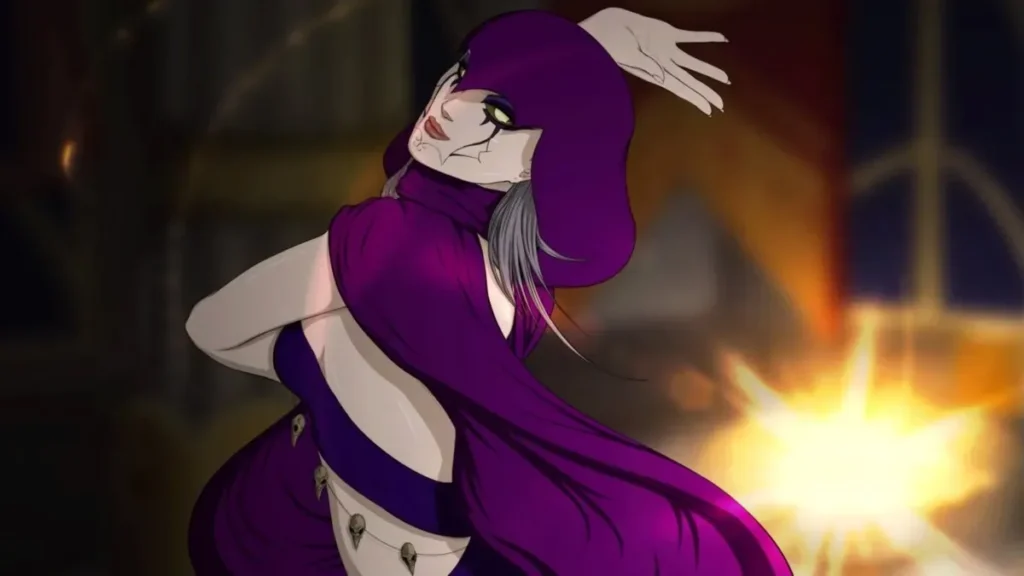
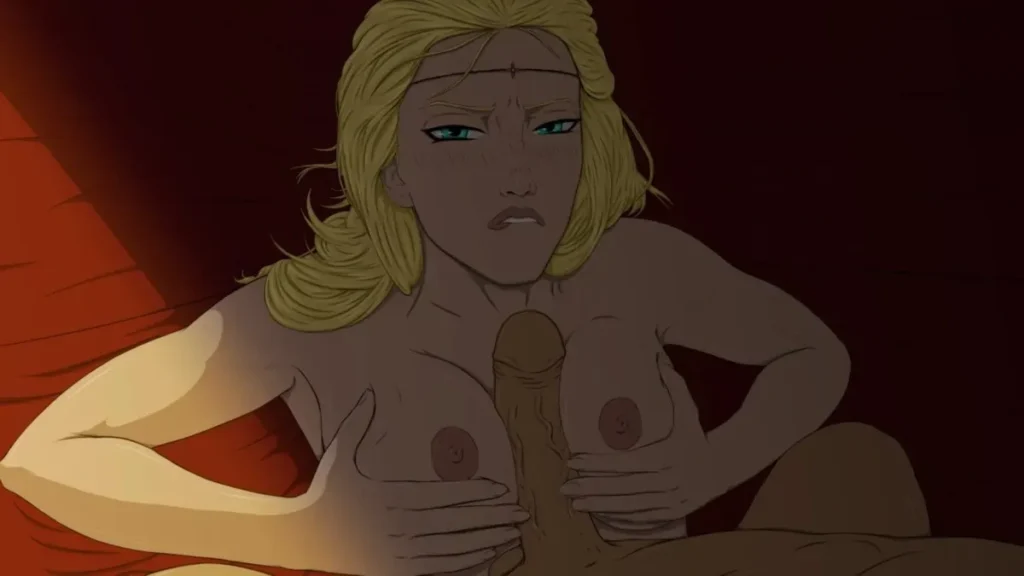
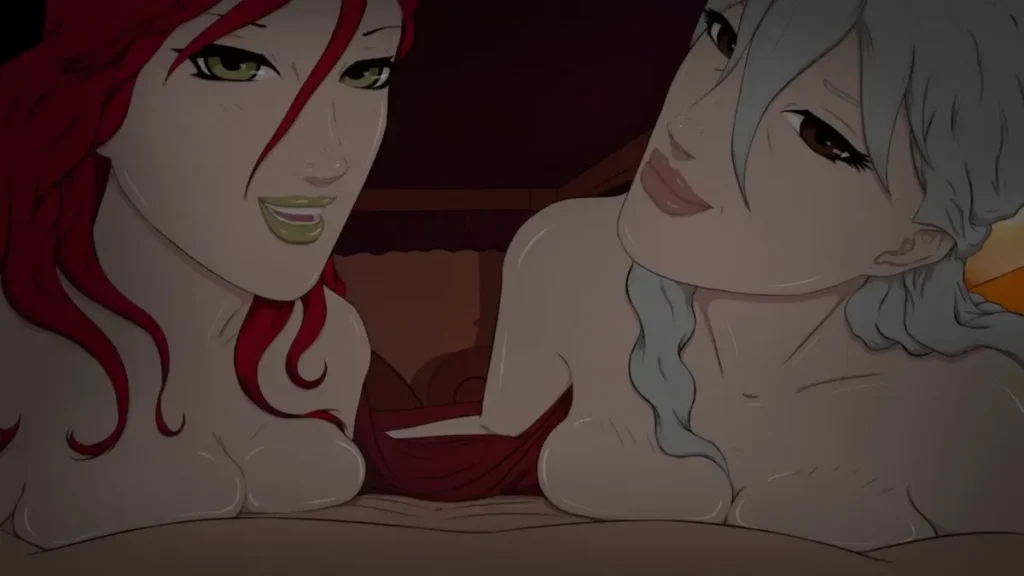
The Fate of Irnia review
Master branching narratives, romance routes, and player choices in this fantasy visual novel
The Fate of Irnia stands out as a richly layered fantasy visual novel that puts genuine agency in your hands. Set in a kingdom threatened by cyclical orc invasions, this interactive narrative experience combines emotional storytelling with meaningful decision-making. Whether you’re drawn to the intricate romance routes, the branching narrative web, or the high-stakes consequences of your choices, The Fate of Irnia delivers a unique experience with every playthrough. This guide explores the game’s core mechanics, character relationships, and how your decisions shape the world around you.
Understanding The Fate of Irnia’s Core Gameplay Mechanics
Ever feel like you’re just clicking through a visual novel, picking dialogue options that all lead to the same place? 😩 You make a “choice,” but the story chugs along the same track, with maybe a slightly different line of text to show for it. It’s a common frustration, and it leaves you wondering what the point was. Well, forget everything you think you know about that style of play. The Fate of Irnia isn’t just another story you read; it’s a living, breathing world you genuinely shape with every thought and action. Its gameplay mechanics are built on a single, powerful promise: your decisions don’t just nudge the narrative—they shatter it and rebuild it in your image.
This chapter is your map to that power. We’re diving deep into the engine that makes The Fate of Irnia tick, moving beyond the surface of “choose your own adventure” to explore the intricate clockwork beneath. You’ll learn how its unique systems ensure your journey is yours alone, filled with meaningful game consequences that resonate from the first chapter to the final, epic conclusion.
How Player Choices Shape Your Journey
From the moment you step into the troubled kingdom of Irnia, you are not a passive observer. You are the catalyst. Every dialogue exchange, every quiet moment of reflection, and every high-stakes strategic call is a brushstroke on your personal canvas. The interactive choice-based storytelling here is the game’s core DNA, but it goes much deeper than simple dialogue trees.
I remember my first playthrough vividly. Early on, I encountered a starving family on the road. The “game” part of my brain saw a simple resource management test: give them my scarce supplies or keep them for the road ahead. I chose to share, feeling good about my virtual morality. But The Fate of Irnia remembered. Hours later, while negotiating with a suspicious village elder, that same family emerged from the crowd, speaking on my behalf. My single act of kindness had woven itself into the social fabric of the world, opening a diplomatic path that was previously locked. That’s the magic. Your player choices consequences aren’t just checkboxes for an ending slide; they are active, persistent forces that open and close doors in real-time.
The game achieves this through a sophisticated memory system. Characters don’t just have a generic “like” meter. They have complex, multifaceted opinions of you based on your values, your reliability, and your treatment of others they care about. Lie to a companion to make a mission easier, and they’ll not only distrust you, but they might withhold crucial information later. Defend a rival in a tense council meeting, and you might find an unexpected ally when your own back is against the wall. This creates an unparalleled sense of investment in the relationship mechanics visual novel fans crave. You’re not just picking flirtatious options; you’re building—or destroying—genuine bonds through a consistent pattern of behavior.
The Orb Mechanic and Decision System
Now, let’s talk about the tool that makes this all possible: the Aethereal Orb. 🟣 This isn’t a fancy cursor or a simple menu; it’s the physical manifestation of your will within the game world and the heart of the visual novel decision system. The Orb reacts to the emotional and magical currents around you, presenting you with more than just text options. It reveals intentions, hidden feelings, and potential outcomes through subtle visual and textual cues.
Think of it as your supernatural intuition. When in conversation, the Orb might pulse with a soft, warm light next to a response that aligns with a character’s secret hopes, or it might flicker with a cold, jagged energy around an option that hides malice. It doesn’t tell you the “right” answer—there often isn’t one—but it gives you deeper insight, allowing you to make a truly informed choice. Do you use this knowledge to nurture and heal, or to manipulate and control? The Orb is neutral; it’s your use of it that defines your path.
Here’s a specific example of how this mechanic forks the narrative dramatically. Early on, you learn a companion is hiding a painful secret that’s affecting their magic. The Orb reveals this secret to you through intuitive flashes.
- The Nurturing Path: You use the Orb’s insight to gently coax the truth out, offering support and patience. This builds immense, unshakable trust. That companion’s power later stabilizes, and they become your most loyal defender, unlocking unique story scenes and a potent, synergistic combat style (if your journey leads to battle).
- The Manipulative Path: You use the Orb’s knowledge to blackmail or publicly pressure them into compliance. You get the short-term result—their cooperation—but you shatter their spirit. Their power becomes volatile and dangerous, they may betray you at a critical moment, and an entire questline about healing their past becomes permanently inaccessible. The branching narrative game structure means you might not even realize what you’ve lost until a subsequent playthrough.
This is what sets the system apart. The Orb integrates the gameplay mechanics directly into the narrative, making the act of choosing an active, engaging skill rather than a passive selection from a list.
To see how these choices cascade, let’s break down their impact:
| Choice Type | Impact on Relationships | Impact on Story Branches | Impact on Endings | Impact on World State |
|---|---|---|---|---|
| Dialogue Options (Tone/Truth) | Directly builds or erodes trust with individuals and factions. Alters companion quest availability. | Opens or closes intimate character-specific subplots and romance routes. | Influences which companions are present/ loyal for finale, affecting survival rates. | Changes regional attitudes towards you, affecting prices, services, and random encounters. |
| Moral Decisions (Sacrifice/Selfishness) | Defines your “reputation,” attracting like-minded allies and repelling others. Can turn allies into enemies. | Locks out entire ideological paths (e.g., the “mercy” or “ruthlessness” branches of the main story). | Determines core thematic endings (e.g., United Kingdom, Tyrannical Rule, Sacrificial Peace). | Physically alters locations (e.g., a village you saved thrives; one you abandoned is destroyed). |
| Strategic Choices (Resource/Alliance) | Forces you to prioritize one faction over another, creating lasting friendships and bitter rivalries. | Determines which factions aid you in major battles, changing entire mission layouts and challenges. | Unlocks faction-specific ending cinematics and determines the political landscape of the epilogue. | Shifts military power on the world map, changing which regions are safe or contested. |
Consequences That Matter: No Illusion of Choice
This brings us to the most important pillar of The Fate of Irnia gameplay mechanics: the absolute weight of consequence. 🏔️ The game is famously ruthless in its commitment to this ideal. There is no “golden path” where you get to see everything in one run. Major choices are mutually exclusive. Saving one life often means another is lost. Securing an alliance with one noble house permanently burns bridges with its rival. This is a branching narrative game that spiderwebs out into dozens of distinct variations, not a straight line with decorative off-shoots.
The most striking embodiment of this is the Death’s Curse mechanic. Without giving away too much, your character is bound by a supernatural timer. Certain critical failures—not just in battle, but in social encounters or puzzle-solving—can accelerate this curse. In some narratives, a failed persuasion check might just mean you have to try a different approach. In Irnia, it can mean a permanent game over, locking you out of the rest of that story branch entirely. You must then reload or, bravely, live with that ending and start a new journey. This makes every challenge feel genuinely perilous and every success truly earned.
Pro Tip: Don’t save-scum! The most powerful and memorable stories in Irnia come from embracing your mistakes and living with the fallout. That unexpected tragedy or surprising betrayal becomes your story’s defining turn.
Let’s talk about endings. We’re not looking at a simple “Good, Bad, and Secret” trio here. The finale you reach is a complex algorithm of every major alliance you forged, every key character’s fate (alive, dead, loyal, or hostile), the political state of the kingdom, and the personal philosophy you demonstrated throughout. I’ve played through four times, and each ending—from a hopeful dawn of reconciliation to a somber, solitary rule built on sacrificed friendships—felt like a logical, earned conclusion to the persona I had role-played. The player choices consequences are reviewed in a detailed epilogue that doesn’t just tell you what happened, but why it happened, directly linking your actions to the fate of every region and character.
This is the ultimate triumph of its design. The Fate of Irnia respects your intelligence and your time by ensuring that no choice is trivial. That offhand insult to a guard, that spare coin to a bard, that moment you hesitated when swift action was needed—the game’s architecture remembers it all, weaving these threads into a tapestry that is uniquely and irrevocably yours. By mastering these gameplay mechanics, you’re not just playing a game; you’re composing a legend. 🏆 Your legend.
The Fate of Irnia represents a masterclass in interactive storytelling, where your agency truly drives the experience. From the moment you inherit that mysterious orb to your final confrontation with the forces threatening Irnia, every decision matters. The game’s commitment to meaningful consequences, diverse romance routes, and branching narratives ensures that each playthrough feels uniquely yours. Whether you’re navigating political intrigue, exploring forbidden romance, or uncovering dark secrets, The Fate of Irnia delivers the emotional depth and player agency that modern visual novel enthusiasts crave. If you’re seeking a fantasy adventure where your choices genuinely shape the world and its inhabitants, this game deserves a place in your collection. Start your journey today and discover what fate awaits in the kingdom of Irnia.