Kingdom of Deception
Play Kingdom of Deception
Kingdom of Deception Screenshots
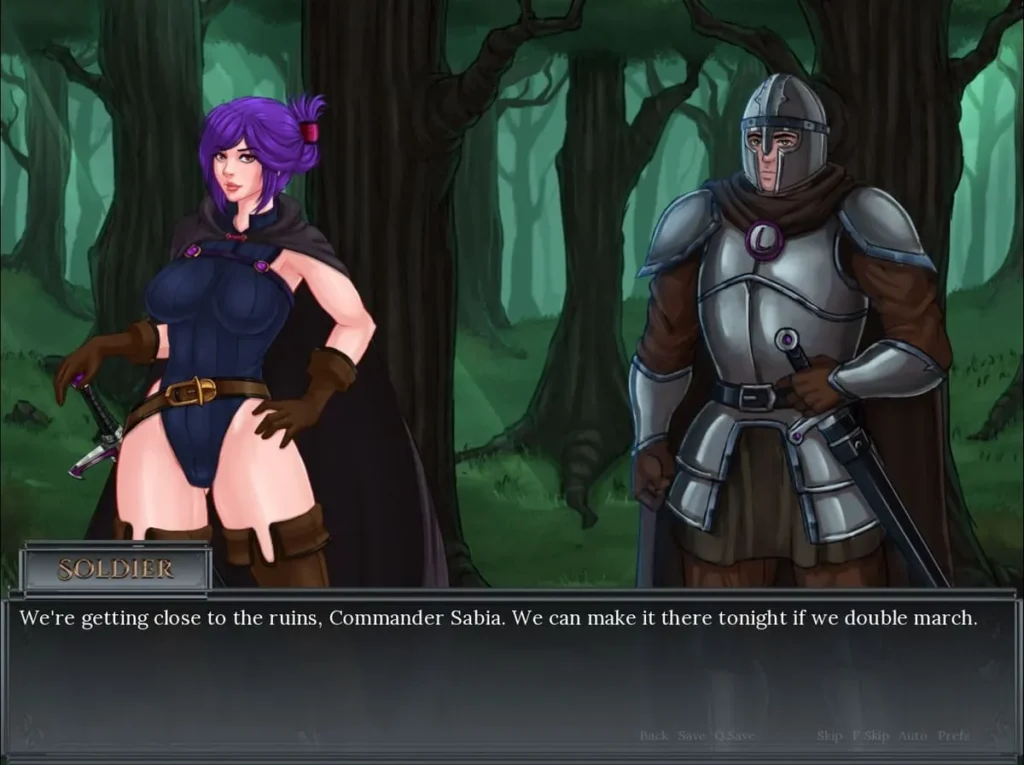
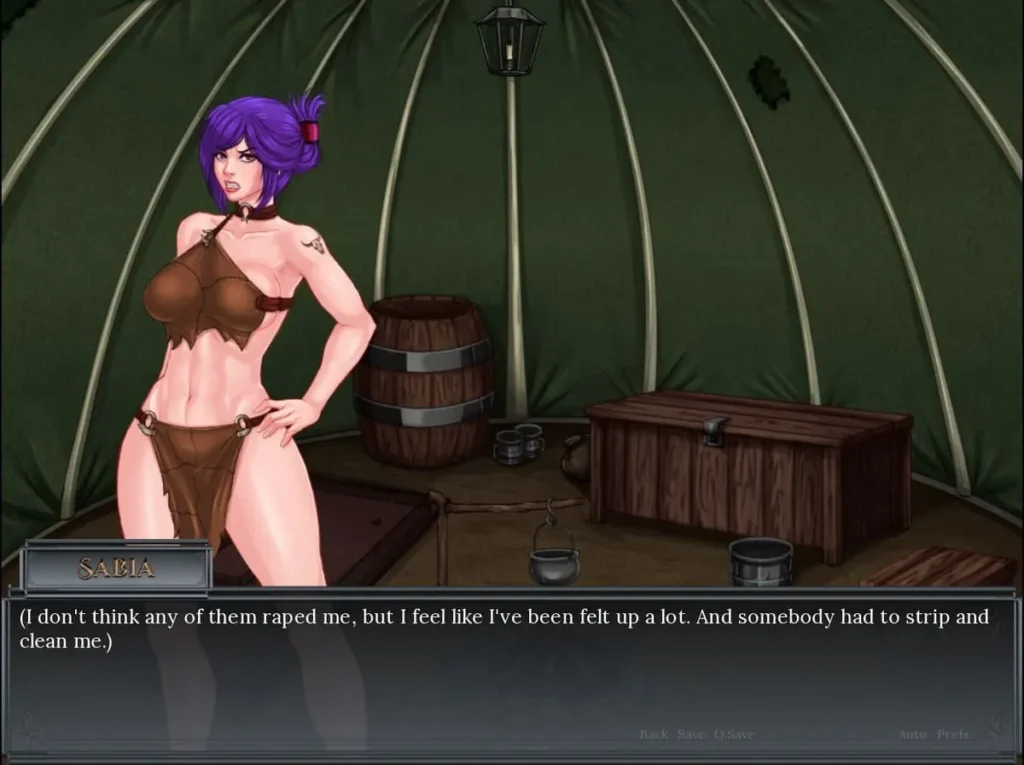
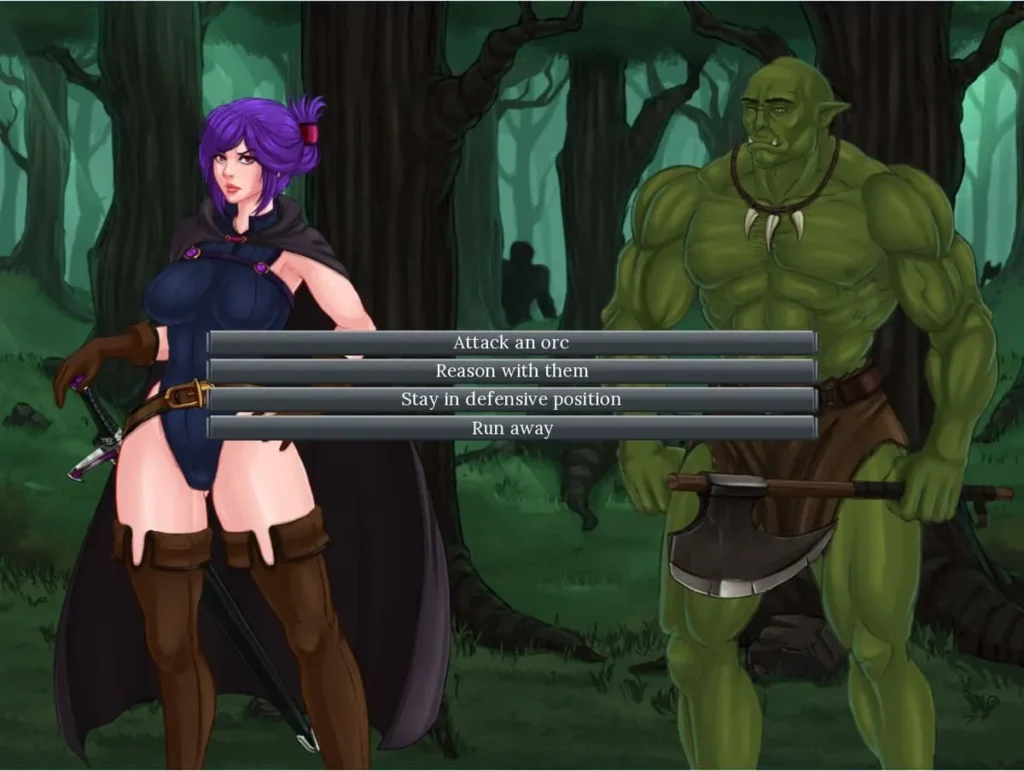
Kingdom of Deception review
Master gameplay mechanics, resource management, and character interactions in this adult visual novel RPG
Kingdom of Deception stands out as a narrative-driven interactive experience that blends strategic decision-making with immersive storytelling. Developed by Hreinn Games, this adult visual novel RPG challenges players to navigate a complex world of political intrigue, resource management, and character relationships. Whether you’re new to the game or looking to optimize your playthrough, understanding the core mechanics—from dialogue choices to resource allocation—is essential for success. This comprehensive guide covers everything you need to know to master Kingdom of Deception and uncover all the game has to offer.
Understanding Kingdom of Deception: Core Mechanics and Gameplay Systems
Welcome to the heart of the struggle for Lundar’s throne. 🎭 If you’re diving into Kingdom of Deception, you’ve likely realized this is more than just clicking through pretty pictures. It’s a deep, strategic battlefield where words are your weapons and every smile hides a dagger. I remember my first playthrough; I thought I could charm my way to the crown, only to find myself poisoned by a “trusted” ally before the first month was out. A harsh, but brilliant, lesson.
The Kingdom of Deception gameplay mechanics are a masterclass in intertwining narrative with player agency. At its core, the game simulates the delicate, deadly process of climbing a mountain of treachery to sit upon a throne of lies. Your success hinges on understanding three pillars: the conversational chess match of the dialogue and decision system, the economic spine of managing Influence, Wealth, Secrets, and Trust, and the tactile world of the point and click interface. Master these, and you won’t just witness the story—you’ll author it.
How the Dialogue and Decision-Making System Works
Forget passive storytelling. In Kingdom of Deception, you are always on stage, and every interaction is a performance with life-or-death stakes. 🎪 The dialogue and decision system is the engine of the entire experience. It’s not about finding the “correct” option, but about choosing the tool that fits your current strategy, resources, and the personality of the character you’re manipulating.
Let me give you a case study from my own scheming. Early on, you meet Baron Arvold, a greedy military man with suspicions about your lineage. In one playthrough, I used my high Eloquence skill to charm him, spending Wealth on lavish compliments and promises of future favor. It worked—his disposition warmed. In another, I leveraged a Secret I’d uncovered about his embezzlement from the royal coffers. One veiled threat later, and he was compliant, though seething with a Hostile disposition I had to carefully manage afterwards. Two paths, same result (his support), but with wildly different long-term consequences for our relationship.
This is the golden rule: every dialogue choice is a resource transaction. You’re spending or risking Influence, Wealth, Secrets, or Trust to gain more of the same. A promise costs future Influence. A bribe drains Wealth. A blackmail attempt risks exposing your Secret if you fail a skill check. The game’s brilliance is in making you feel the weight of each word.
Pro Tip: There is no autopilot. Speed-clicking through dialogue is the fastest route to an early grave or a disastrous alliance. Read the room, check your resources, and remember: sometimes saying nothing (a deliberate silence option) is the most powerful statement of all.
Your skills directly gate what options appear. Investing in the Eloquence branch might unlock a smooth-talking path to avoid a fight, while Subterfuge could offer a chance to stealthily plant evidence during the conversation itself. This makes your skill tree specialization a fundamental part of the dialogue, not a separate combat system. Your build doesn’t just change how you fight; it changes how you talk.
Managing Your Four Core Resources Effectively
You can’t charm, bribe, or threaten your way to power if you’re broke, friendless, and clueless. 🏛️ Mastering the Kingdom of Deception gameplay mechanics means becoming a meticulous accountant of intangible assets. Think of Influence, Wealth, Secrets, and Trust not as simple numbers, but as four interlocking currencies in a shadow economy. My first major loss came from treating Wealth like infinite gold, funding rebel groups only to find myself too poor to bribe a crucial guard when I desperately needed to escape the dungeons.
Here’s the breakdown of each resource and how they feed into your resource management guide:
- Influence is your political clout. It’s the rumor of your power, the size of your faction, the respect you command in open court. You gain it by winning public debates, completing quests for powerful factions, and making bold, successful moves. Spend it to issue decrees, call in favors from minor nobles, or to have your voice heard in council. Let it dwindle, and you become a non-entity.
- Wealth is cold, hard coin. It’s the most straightforward resource, used for bribes, purchasing equipment, funding schemes, and maintaining a lavish lifestyle that impresses (or distracts) others. You acquire it through successful trade missions, taxing your holdings, or “relieving” corrupt officials of their burdensome coin purses via stealth.
- Secrets are your nuclear option. 🔒 These are pieces of damning information—affairs, betrayals, hidden crimes—that you collect about other characters. They are potent but dangerous. Use a Secret for blackmail to gain immediate compliance, but know that the target’s Trust in you will shatter. Alternatively, you can trade a Secret to a third party to build Influence with them. Hoarding too many without using them can also make you a target.
- Trust is unique because it’s personal. Unlike the other three global resources, you have a separate Trust meter with every major NPC. This represents their personal faith in you, built through consistent actions, keeping promises, and choosing dialogue that aligns with their values. High Trust opens up unique, more cooperative story paths and can make characters act on your behalf. Betray that Trust, and it’s nearly impossible to regain.
The strategic layer comes from balancing these four. Need to boost your Influence quickly? You could spend Wealth to host a grand feast, or you could spend a powerful Secret to ruin a rival’s reputation. The choice depends on what you have more of, and what long-term cost you’re willing to bear. This constant trade-off is the soul of the game’s strategy.
To visualize their interplay, here’s a practical guide:
| Resource | Primary Function | How to Gain It | Key Strategic Use |
|---|---|---|---|
| Influence | Political power & public reach | Win public debates, complete major quests, gain noble supporters | To sway court votes, issue commands, and avoid being ignored. |
| Wealth | Financial capital for operations | Trade, taxation, looting, successful business investments | For immediate bribes, funding long-term projects, and greasing wheels. |
| Secrets | Leverage & destructive potential | Spying, successful stealth missions, blackmailing other informants | For coercing a stubborn enemy or trading for high Influence with a rival. |
| Trust (per character) | Relationship depth & reliability | Keeping promises, choosing supportive dialogue, helping them personally | To unlock loyal allies, romantic subplots, and fail-safe backup plans. |
Navigating the Point-and-Click Interface and Action System
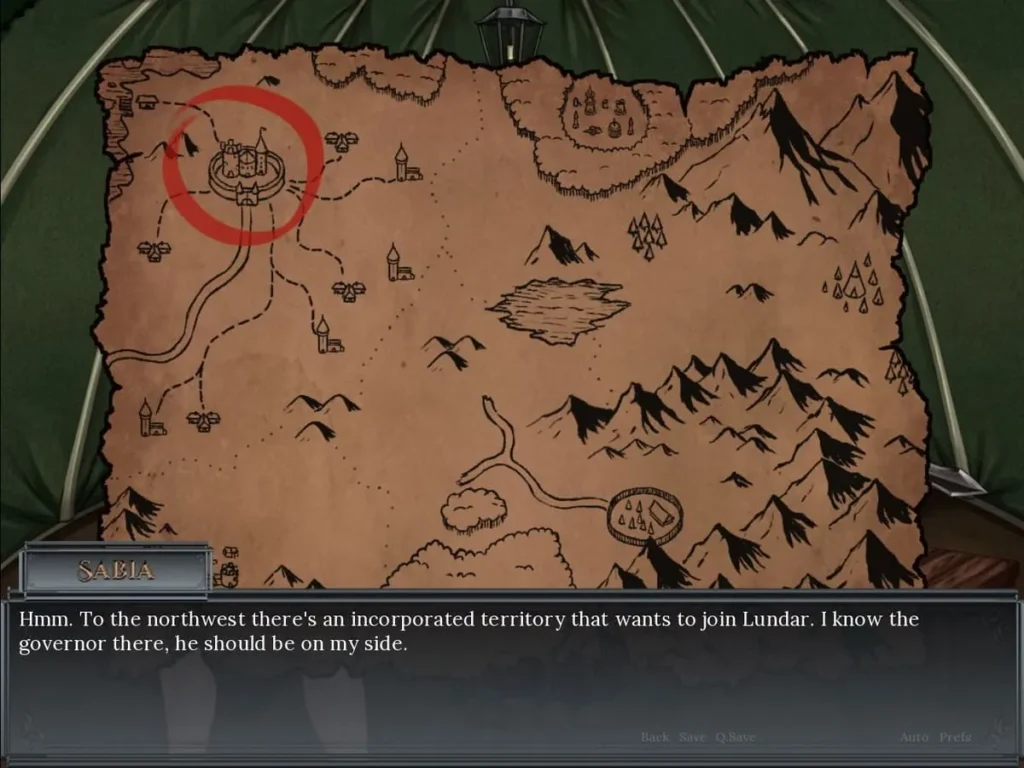
The world of Lundar is yours to explore, one careful click at a time. 👆 The point and click interface is your window into this realm of intrigue, and understanding its nuances is what separates a casual player from a master schemer. It’s designed for observation and deliberate action, not frantic clicking.
Hover your cursor over any character, and you’ll immediately see their current character disposition system status: Friendly (green), Suspicious (yellow), or Hostile (red). This is instant, crucial intel. I’ve avoided walking into ambushes simply by noticing a usually Friendly guard had turned Hostile before I even approached. This system ties directly back to your actions—spread a rumor about someone, and watch their icon flash red the next time you see them.
The core of your moment-to-moment gameplay is the Observe-Plan-Act loop. Let’s break it down with a practical example:
- Observe: You enter the Royal Gardens. You hover over NPCs: the Queen is Friendly, a visiting diplomat is Suspicious. You click on interactive elements: a “Private Arbor” note on a bench, a loose stone in a wall your Subterfuge skill highlights.
- Plan: You right-click to open the radial menu. Here, you check your active skills, review your inventory (like a vial of sleeping poison or a love letter for forging), and glance at your core resource levels. You decide your goal: eavesdrop on the diplomat.
- Act: You use a Cunning skill from your radial menu to create a diversion (spending a little Influence to have a servant “accidentally” spill wine), drawing the guards’ gaze. Then, while they’re distracted, you click on the Private Arbor to move there and initiate a dialogue and decision system encounter with the now-isolated diplomat.
This loop encourages thoughtful play. The radial menu keeps your tools accessible without cluttering the beautiful scene, making the point and click interface feel immersive and strategic.
Your stamina bar (often represented as “Energy” or “Focus”) governs how many significant actions you can take in a single day. Examining clues, using skills, and traveling between distant districts all cost stamina. This is the game’s way of forcing you to prioritize. You can’t tail a spy, research ancient lore in the library, and woo a potential ally at a banquet all in one afternoon. You must Plan what sequence of actions will give you the best return on your daily investment.
Finally, your long-term power is shaped by the skill tree specialization. This isn’t a minor side system; it defines your protagonist’s identity. The three main paths—Subterfuge, Eloquence, and Cunning—offer profoundly different gameplay experiences. Early investment compounds over time.
- Choose Subterfuge, and you’ll unlock paths to bypass challenges entirely—sneaking into locked rooms, picking pockets for Secrets, or poisoning a rival’s cup to avoid a confrontation.
- Specialize in Eloquence, and the social game becomes your weapon. You’ll lie directly to a character’s face with high success rates, charm hostile figures into neutrality, and intimidate the weak-willed into submission.
- Focus on Cunning, and you become the master of indirect strategies. You’ll set traps for your enemies, devise complex schemes that unfold over days, and create diversions that manipulate the entire court.
Your choice here doesn’t just add new buttons; it reshapes the narrative landscape, making certain solutions visible and others obsolete. It’s the ultimate expression of your strategic vision within the Kingdom of Deception gameplay mechanics.
By weaving together the deliberate pace of the point and click interface, the intel from the character disposition system, the daily strategy of stamina management, and the long-term vision of your skill tree specialization, you transform from a passive participant into the architect of Lundar’s future. Every click is a choice, every hover a discovery, and every spent resource a step closer to the crown—or the abyss. Now, go forth. Observe. Plan. And act. The kingdom awaits its new sovereign. 👑
Kingdom of Deception successfully merges strategic gameplay with compelling narrative, creating an experience that rewards both careful planning and emotional investment in character relationships. By mastering the four core resources, understanding the dialogue system, and balancing combat with social skills, you’ll unlock the full depth of what this adult visual novel RPG offers. The game’s strength lies in its branching narratives and the genuine consequences of your choices—whether you’re building trust with key characters, accumulating wealth through various means, or uncovering the political conspiracies that define the Kingdom of Lundar. Whether you’re pursuing a specific storyline or exploring every hidden quest and character saga, Kingdom of Deception provides substantial replay value and engaging gameplay that extends far beyond surface-level interactions. Take your time with character relationships, experiment with different skill builds, and don’t hesitate to save frequently as you navigate this intricate world of deception and power.