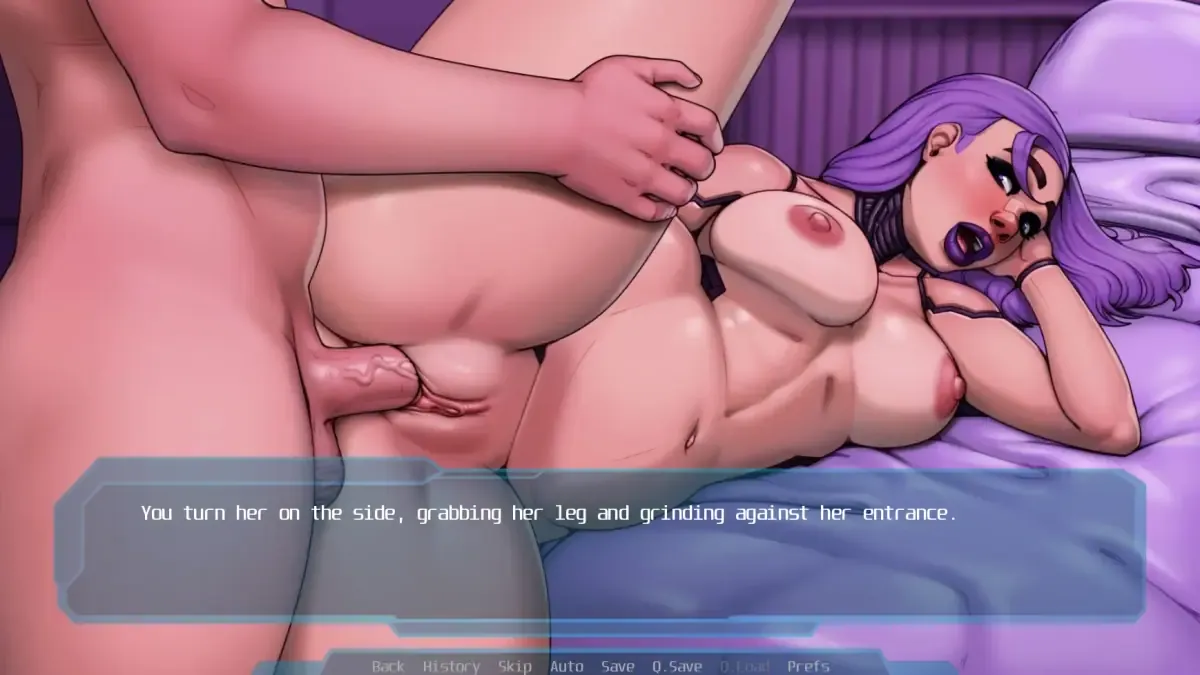
Futa’s World of NTR
Play Futa’s World of NTR
Futa’s World of NTR Screenshots

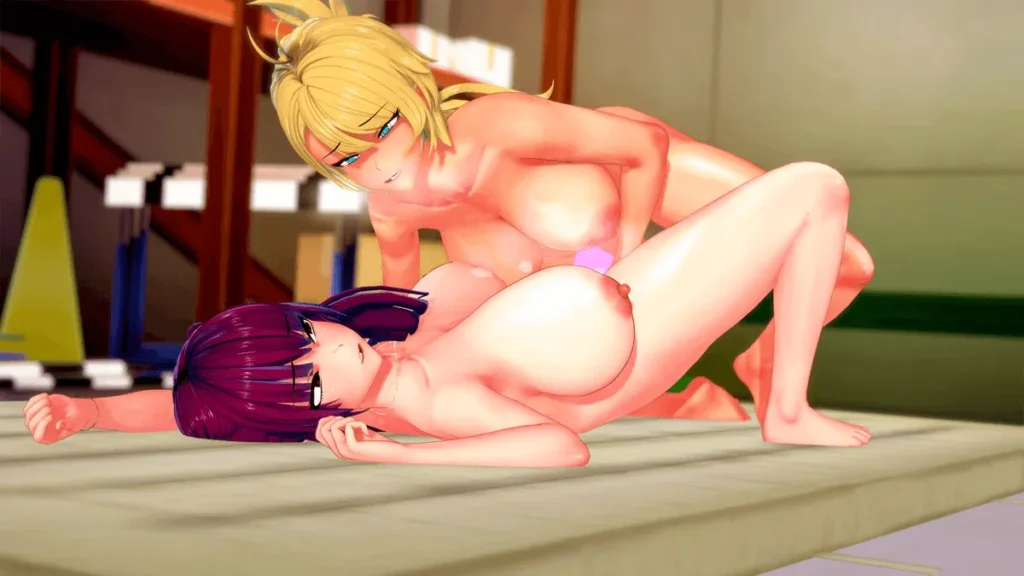

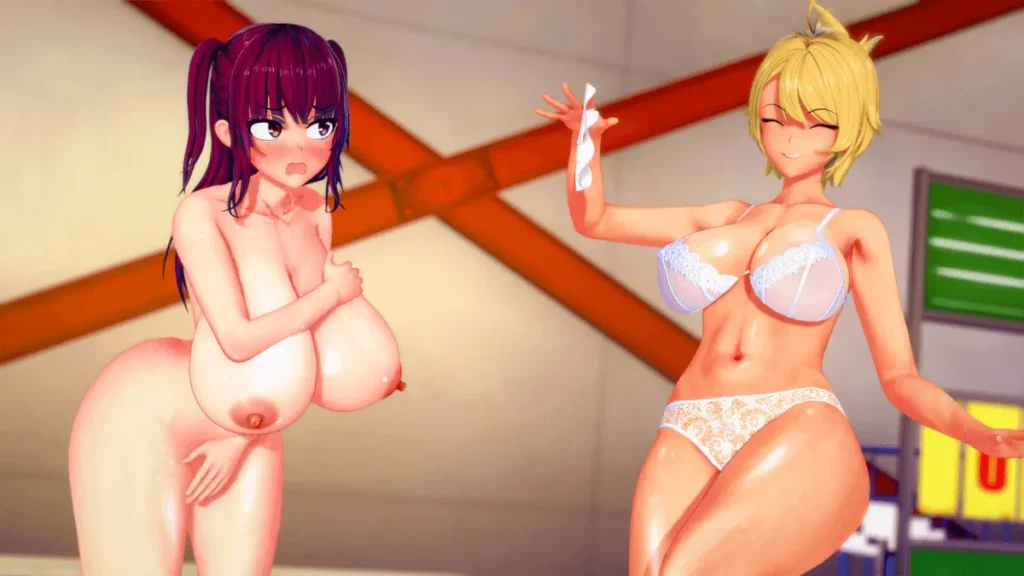


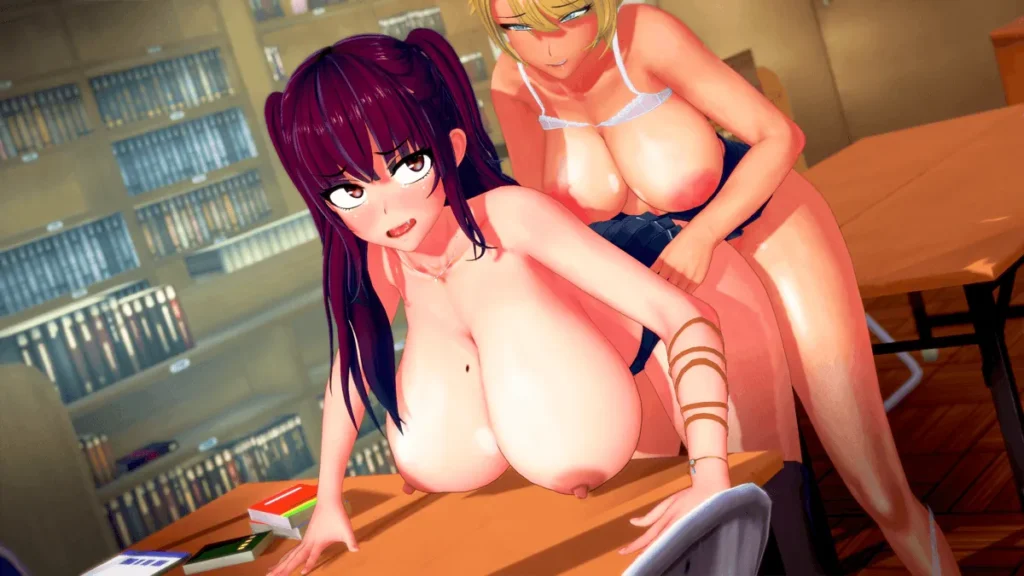


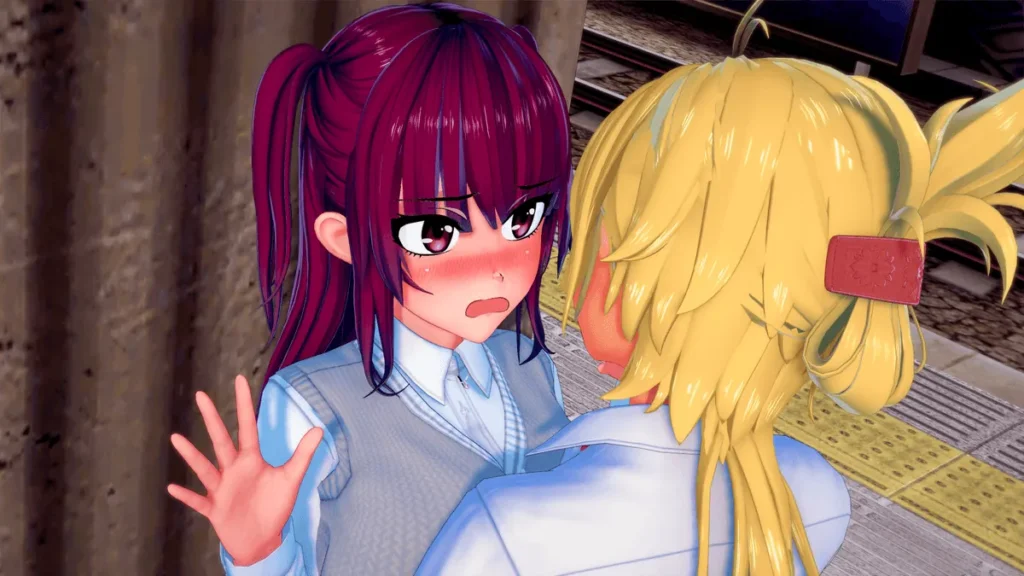

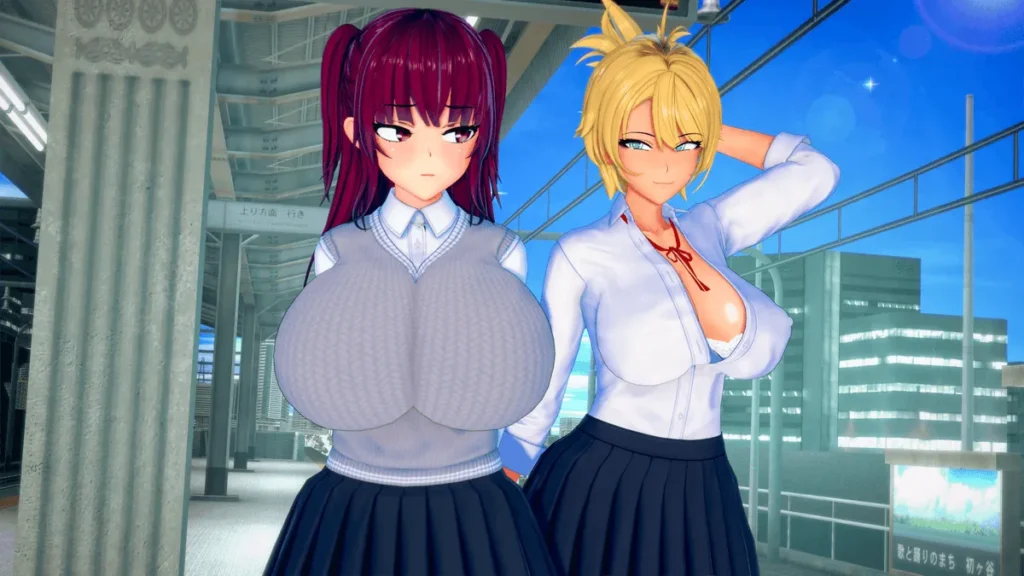
Futa’s World of NTR review
A practical, player-focused breakdown of Futa’s World of NTR
Futa’s World of NTR is a niche adult-oriented interactive experience that blends narrative choices with branching outcomes; this article examines the game’s systems, story beats, and practical play advice to help readers decide whether to play and how to get the most from their sessions. In the next sections I’ll share hands-on tips from my playthroughs, explain key mechanics, profile major characters, and offer step-by-step strategies to reach different endings while highlighting technical and safety considerations.
Gameplay Mechanics and Core Systems
Diving into Futa’s World of NTR, you’ll quickly realize that its heart lies in the intricate web of choices and consequences that shape every moment. 🎮 Understanding the Futa’s World of NTR mechanics is absolutely essential if you want to move beyond just watching scenes and truly influence the story. This chapter is your practical, player-focused breakdown of the core systems that drive the game, from the delicate choice system guide to the nitty-gritty of technical setup. I’ve spent hours exploring every branch, hitting every bug, and optimizing every setting, so let me save you the headache and share what I’ve learned. Think of this as your roadmap to mastering the game’s depth, avoiding frustration, and unlocking those elusive endings with confidence. 💪
How the choice system shapes outcomes
At its core, Futa’s World of NTR is a narrative engine powered by player decisions. Every dialogue option, every action you take, isn’t just flavor—it’s a direct signal to the game’s branching pathways. 🛤️ The choice system guide starts with recognizing how decisions are presented: you’ll typically see clear text options during key conversations, but the real magic (and sometimes frustration) lies in the hidden flags and relationship meters that run silently in the background. These invisible trackers for characters’ affection, trust, and jealousy are what truly determine which doors open or slam shut forever.
For example, early in my first playthrough, I faced a seemingly minor choice: whether to comfort a secondary character after a main story event or immediately pursue the primary love interest. On the surface, it felt like a small moment of kindness. But this single decision set off a chain reaction. By choosing to comfort, I inadvertently raised a hidden “loyalty” flag for that side character, which later blocked me from a more aggressive route with the main partner. It wasn’t until a second run where I ignored that moment that I saw a completely different, more possessive storyline unfold. This is the essence of the Futa’s World of NTR mechanics—what feels like a small ripple can create a tidal wave in your story ocean. 🌊
My biggest “aha!” moment came during a replay focused on a specific ending. I was following what I thought was a perfect path for a “dominant” outcome, meticulously making every “correct” choice. Then, in a late-game scene, a dialogue option I was counting on simply didn’t appear. 🤯 I was stumped. After some digging (and a bit of save-scumming), I realized that a choice from nearly ten hours prior—a throwaway line about sharing a secret—had quietly set a flag that made my character seem “too vulnerable” for that dominant path. The game had remembered everything, and my assumption that only major decisions mattered was totally wrong. This experience taught me that a robust choice system guide isn’t just about the big moments; it’s about consistency in your character’s portrayed personality from start to finish.
So, what’s the practical takeaway? 🧠
– Save frequently before every significant conversation. I can’t stress this enough. Create multiple save slots labeled by chapter or key decision points.
– Assume everything matters. Even casual replies can adjust subtle meters. If you’re aiming for a specific ending, consider using a notepad or a fan-made flag tracker to monitor your suspected path.
– Embrace replay value. The branching endings walkthrough potential here is massive. Your first playthrough should be for immersion; your second and third are for exploration and control.
The Futa’s World of NTR mechanics around choices are designed to reward attentive players and punish those who click mindlessly. By treating each decision with intent, you transform from a passenger into the pilot of a uniquely twisted narrative. ✈️
Progression, resources, and stats explained
Beyond the narrative branches, your journey is gated and guided by several interconnected progression systems. Managing these is where the real game progression tips come into play. Let’s break down the key elements you’ll need to master.
The game uses a blend of traditional and unique resources. The primary ones are:
– “Spark” Points: Think of this as your social stamina or influence. It’s spent to initiate key conversations, gift items, or access special events. It regenerates slowly over time or through specific story beats.
– Affection Meters: Each major character has a dedicated, though often hidden, meter. Your choices feed into these, and certain thresholds must be reached to unlock intimate scenes or critical story branches.
– Reputation Score: This is a global stat that reflects how the world perceives your protagonist. A high reputation might open polite, diplomatic routes, while a low one could force more confrontational or stealth-based options.
Here’s a simple way to visualize how they interact:
| Resource/Stat | Primary Effect | Pro Tip |
|---|---|---|
| Spark Points | Unlocks active choices and events | Never spend it all at once; keep a reserve for unexpected opportunities. |
| Affection (per character) | Gates relationship milestones and endings | Focus on one or two characters per playthrough for best results. |
| Global Reputation | Influences which narrative paths are available | Decide early if you want a “public” or “private” persona and stick to it. |
Your game progression tips strategy should hinge on resource prioritization. Early on, I made the mistake of spreading my Spark Points too thinly, trying to please everyone. The result? I hit a wall midway because I couldn’t afford the cost to trigger a pivotal scene with the character I actually wanted to pursue. 🧱 On my next run, I focused my Spark on a single love interest and ignored others unless absolutely necessary. This not only streamlined my resource pool but also made the story feel more coherent and driven.
Character stats are less about combat and more about social prowess. You might encounter checks based on “Persuasion,” “Empathy,” or “Cunning.” These are usually derived from your cumulative choices rather than a point-buy system. For instance, consistently choosing aggressive dialogue will naturally raise your Cunning stat, which may later allow you to bypass a tricky negotiation. The key Futa’s World of NTR mechanics here is that your playstyle builds your stats organically, so consistency is again your best friend. 🔑
For unlocking content efficiently, I recommend this play order:
1. Blind Playthrough: Go in fresh, make choices that feel right to you, and enjoy the story. This sets a personal baseline.
2. Targeted Run: Use a branching endings walkthrough or your notes to pursue a specific ending. This is where you apply strict resource management.
3. Completionist Dive: Clean up any missed scenes or endings, using multiple saves to jump to key decision points.
Remember, the game progression tips all funnel into one goal: giving you control over the narrative density. By understanding how Spark, Affection, and Reputation weave together, you stop guessing and start directing. 🎬
Technical setup and platform tips
Before you get lost in the story, let’s talk about the foundation. A smooth technical experience is crucial for enjoying Futa’s World of NTR without interruptions. Here’s my straightforward advice on platform requirements Futa’s World of NTR, handling saves, and squashing bugs.
Supported Platforms and Specs
The game is primarily available for Windows PC. During my testing, I ran it on a modest gaming laptop and a more powerful desktop, and both handled it well. Here are the practical platform requirements Futa’s World of NTR you should consider:
– Minimum: A Windows 10 system with a dual-core processor, 4GB RAM, and integrated graphics. It will run, but you might experience longer load times.
– Recommended: For buttery-smooth performance, aim for a quad-core CPU, 8GB RAM, and a dedicated graphics card (even an older one). This ensures pre-rendered scenes play without stutter and menus respond instantly.
Save File Management – Your Lifeline
This is where my save file tips become non-negotiable. The game saves automatically at certain checkpoints, but these are infrequent and often overwrite each other. 🚨 I learned this the hard way when a bug corrupted my only auto-save right before a major choice. Always, always use manual saves. Create a new save slot for each gaming session, and definitely before any big decision point. I organize mine with names like “Chap3_BeforeParty” or “AffectionHigh_Alex.” This practice is the backbone of any effective branching endings walkthrough attempt, as it lets you rewind without losing hours of progress.
Common Hiccups and Fixes
No game is perfect, and I encountered a few technical glitches. One memorable one was a persistent audio de-sync during a crucial cinematic. The dialogue would finish seconds before the character’s mouth stopped moving, which totally killed the mood. 🎭 After some trial and error, I fixed it by going into the game’s graphics settings and switching from “Fullscreen” to “Borderless Windowed” mode. For some reason, this simple change resynced the audio and video engines. Other common issues include:
– Black screens on launch: Update your graphics drivers. 90% of the time, this is the culprit.
– Save files not loading: Check if the save file location has write permissions. Sometimes, installing the game in a protected directory (like Program Files) can cause this. Reinstall to a simple folder like C:\Games.
– Mod conflicts: If you’re using fan mods (like translation patches or UI tweaks), ensure they’re updated for your game version. I run a clean, unmodded game first to establish a stable baseline before adding anything.
Optimizing Your Play Session
For the best performance, tinker with these in-game settings:
– Set Shadow Quality to Medium. High shadows are a performance hog with minimal visual benefit in this style of game.
– Enable VSync if you notice screen tearing.
– Allocate more RAM through the game’s launcher if you have it available (an option in advanced settings).
My personal technical anecdote involves the dreaded “infinite loading loop.” After installing a major update, my game would hang forever on the loading screen for a specific chapter. 😫 I tried verifying files, reinstalling—nothing worked. Finally, I checked the game’s community forum and found a niche fix: deleting a specific configuration file in the AppData folder, which forced the game to regenerate it cleanly. It worked like a charm. The lesson? Don’t panic; the solution is often out there, and the player community is a great resource.
To wrap up this section and ensure you start on the right foot, here’s a quick pre-launch checklist. Follow these save file tips and setup steps to avoid common pitfalls and focus on the story from minute one.
| Pre-Launch Task | My Recommendation |
|---|---|
| System Check | Verify you meet the recommended platform requirements Futa’s World of NTR for a smooth experience. |
| Save File Location | Find your save folder (usually in Documents/MyGames) and consider backing it up to cloud storage. |
| Mods Status | Disable all mods for your first run to ensure stability. Enable one at a time later if needed. |
| Graphics Settings | Set to Borderless Windowed mode, shadows to Medium, and enable VSync. |
| Driver Updates | Update your graphics and audio drivers to the latest stable versions. |
| Initial Save Strategy | Create your first manual save immediately after the prologue, and get into the habit of saving often. |
By getting the technical side locked down, you free yourself to fully engage with the rich, choice-driven world. Remember, mastering the Futa’s World of NTR mechanics isn’t just about in-game decisions—it’s about setting up a stable playground where those decisions can unfold without a hitch. Now, with your system ready and your save strategy in place, you’re all set to dive deep and shape your own unique story. Happy gaming! 🌟
Futa’s World of NTR offers a branching, player-driven experience that rewards careful choices, replaying with purpose, and engaging with community resources. Throughout this guide I shared hands-on strategies, character and story insights, technical tips, and safety guidance drawn from direct play and community-tested practices to help you approach the game confidently. If you’re ready to explore its branching paths, use the checklists and save strategies outlined above, try one of the recommended replay routes, and join community hubs to deepen your experience.