Artemis
Play Artemis
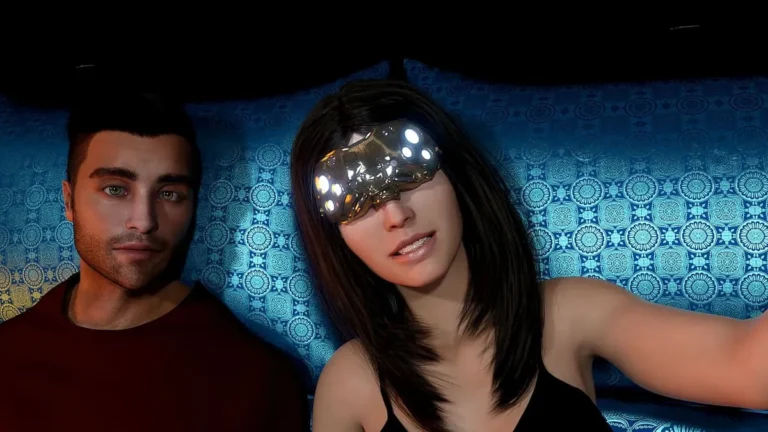
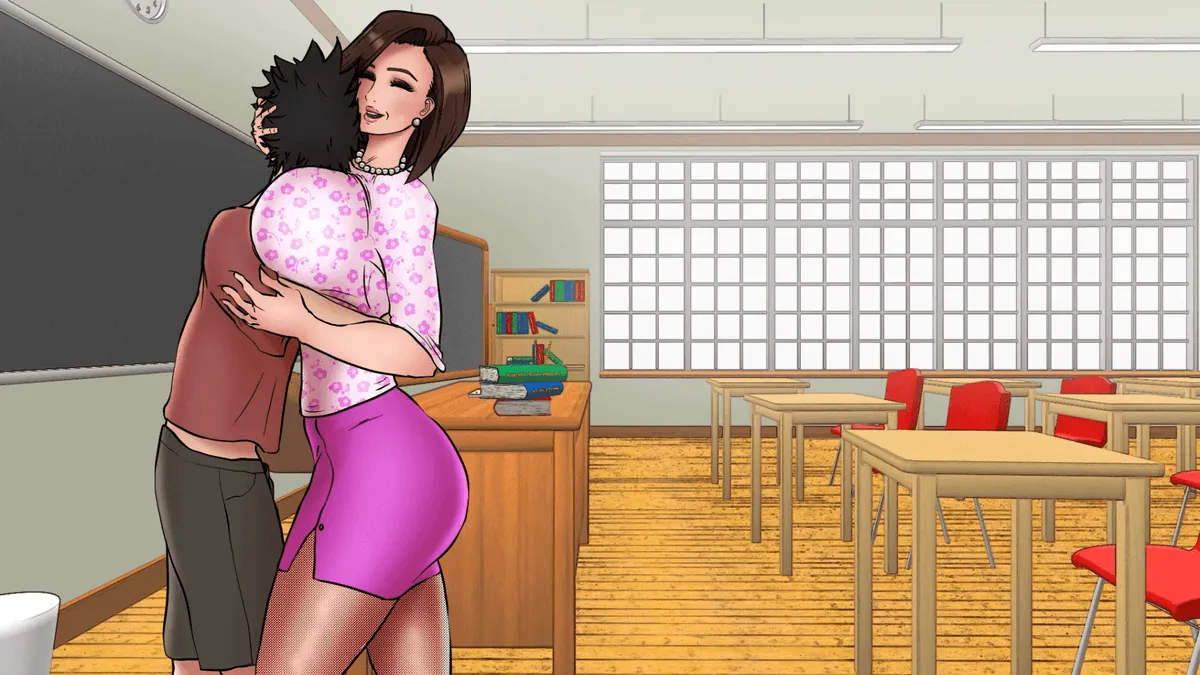
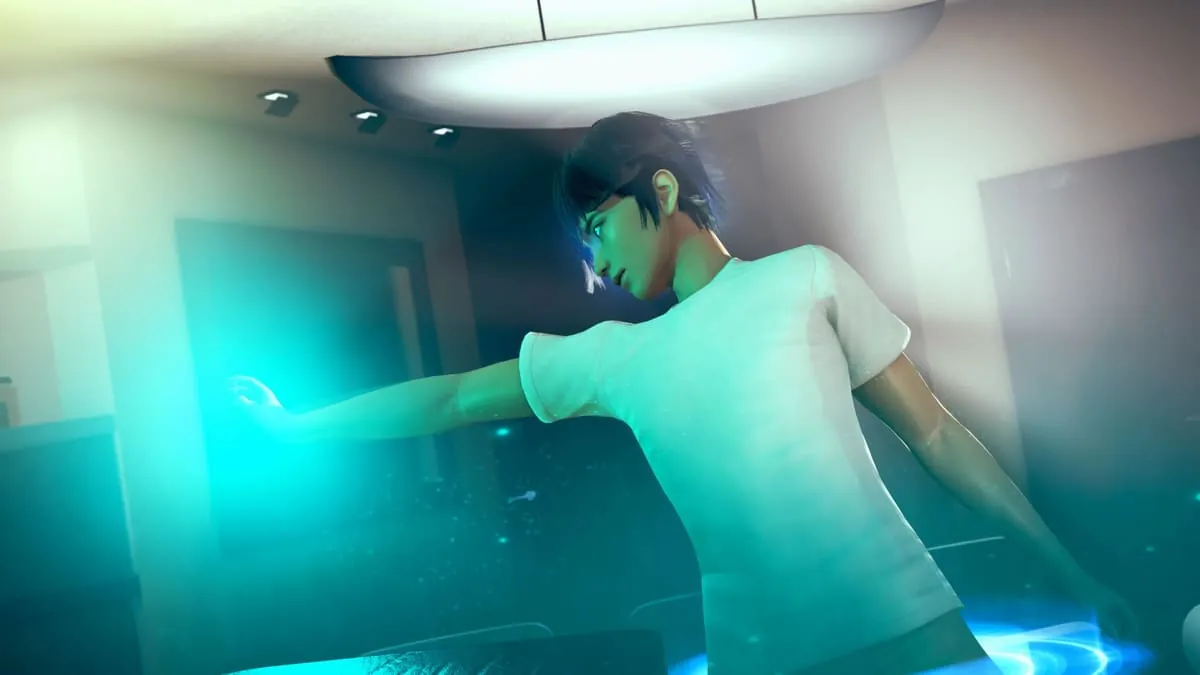
Artemis Screenshots































Artemis review
Everything you need to know about this acclaimed adult visual novel experience
Artemis stands out as a sophisticated adult visual novel that combines engaging storytelling with meaningful character development. This comprehensive guide explores what makes Artemis a standout title in the visual novel genre, from its narrative depth to its interactive gameplay mechanics. Whether you’re a seasoned visual novel enthusiast or curious about the medium, understanding Artemis’s unique approach to storytelling and player choice will help you appreciate why this title has garnered attention from the community. We’ll walk you through the essential aspects of the game, helping you get the most from your experience.
Understanding Artemis: Gameplay Mechanics and Story Structure
So, you’ve heard the buzz about Artemis and you’re curious about what playing it actually feels like. 🤔 Maybe you’re new to the genre and wondering, “Is this just a fancy comic book I click through?” Or perhaps you’re a seasoned reader of interactive narrative games, but you want to know what sets this particular experience apart. Let me tell you, Artemis is so much more than a passive story. It pulls you into its world with a depth of choice and consequence that truly makes you feel like the architect of your own destiny—and your own relationships. 🏙️✨
At its heart, the Artemis visual novel gameplay is an exercise in empathy and strategy. Every click, every selected dialogue option, isn’t just about moving text along; it’s about shaping a person, building bonds, and navigating a beautifully complex web of human connection. This chapter is your deep dive into the machine under the hood. We’ll strip down the core mechanics, explore how your decisions echo through the story, and understand how to cultivate the relationships that matter most to you. Consider this your essential Artemis game walkthrough for the mind, before you even click ‘New Game’.
### How Artemis Gameplay Works: Core Mechanics Explained
Let’s demystify the experience. If you’re coming from traditional video games, throw out your expectations of jumping puzzles or combat timers. The primary “gameplay” in Artemis, and in most visual novels, happens between your ears. It’s a psychological and emotional engagement. You are presented with a narrative, stunning artwork, a compelling soundtrack, and, most crucially, moments of decision.
The flow is deceptively simple:
1. Read the narrative and character dialogue.
2. Reach a decision point, often highlighted or timed.
3. Choose your response or action from a set of options.
4. Experience the immediate and long-term consequences of that choice.
What makes the Artemis visual novel gameplay stand out is the sheer weight given to these choices. This isn’t about picking the “good” or “bad” dialogue; it’s about choosing who you are. Are you a pragmatic survivor, a romantic idealist, or a wounded soul guarding your heart? The game doesn’t label these paths for you. You discover your own characterization through your decisions.
To get a firm grip on the visual novel mechanics explained, here’s a breakdown of the key interactive elements you’ll master:
- Dialogue Selection: The bread and butter. You’ll choose what to say in conversations, which directly influences how characters perceive you and feel about you.
- Internal Monologue Choices: Sometimes, the biggest choices are what you think, not what you say. These shape your protagonist’s personality and resolve.
- Relationship Points (Often Hidden): While not always displayed as a number, the game tracks your affinity with each major character. Kind support, shared secrets, and romantic advances build these points up. Indifference, cruelty, or betrayal will drain them away.
- Plot Branch Triggers: Certain key decisions act as gates, locking or unlocking entire segments of the story, leading to distinct visual novel story paths.
- Save System: Your best friend. You’ll want to save often, especially before big decisions, to explore alternative outcomes without replaying hours of content.
I remember one early playthrough where I thought I was being charmingly sarcastic with a character. The game didn’t give me a warning like “SARCASM DETECTED -5 AFFECTION.” Instead, that character simply became more reserved, their dialogue slightly colder, and a later scene where they might have opened up was replaced with polite distance. It was a masterclass in subtle, realistic consequence. That’s the Artemis visual novel gameplay in a nutshell: authentic cause and effect.
### Narrative Choices and Their Impact on Story Progression
This is where Artemis truly shines as a flagship for interactive narrative games. Your Artemis story choices are not illusions of choice; they are the building blocks of your unique narrative arc. Think of the story not as a straight line, but as a tree with sprawling, interconnected branches. 🌳 Some branches are minor twigs—a different line of dialogue, a slightly altered scene. Others are major limbs that lead to entirely different narrative ecosystems.
The game’s structure is typically divided into chapters or days, providing natural pacing and cliffhangers. Within each chapter, you’ll face a series of these decision points. Their impact can be categorized:
| Choice Type | Immediate Impact | Long-Term Consequence | Example in Artemis |
|---|---|---|---|
| Character Reaction | Alters the next few lines of dialogue and the character’s expression. | Modifies hidden relationship score, influencing future interactions and availability of scenes. | Choosing to comfort a character after a setback vs. offering practical, but blunt, advice. |
| Plot Divergence | Leads to a different next scene or location. | Can open or close entire story threads and character routes, defining major visual novel story paths. | Deciding to investigate a mystery alone or asking a specific character for help, leading to unique information and scenes. |
| Tonal/Thematic | Defines the mood and personality of your protagonist in that moment. | Shapes the overall narrative theme (e.g., a story of hope vs. a story of cynicism) and can affect ending themes. | Internal choice to hold onto a painful memory for strength or to actively try to let it go. |
🎯 Pro Tip: There is rarely a single “correct” choice. The best choice is the one that feels true to the character you want to be and the story you want to experience. Embrace the anxiety of a timed dialogue option—it makes the role-play feel incredibly real!
A core part of any effective Artemis game walkthrough acknowledges this branching complexity. You cannot see everything in one sitting. This deliberate design is the source of the game’s incredible replay value. You might finish one path feeling heartbroken, only to start again and discover a route filled with joy and connection that you missed because of a single, seemingly innocuous decision in Chapter 2. This pursuit of the “other path” is what keeps players coming back, eager to unravel every secret the narrative holds.
### Character Development and Relationship Systems
The soul of Artemis doesn’t live in its plot twists, but in its people. The character relationships visual novel mechanics are arguably the most sophisticated part of the entire experience. You’re not just checking boxes on a romance checklist; you’re nurturing fragile, dynamic bonds that feel startlingly human. 💖
Each major character has their own history, desires, fears, and deal-breakers. Your interactions are measured against these internal metrics. The game is constantly evaluating:
* Trust: Do your actions and words prove you’re reliable?
* Empathy: Do you understand their emotional state and respond appropriately?
* Romantic Interest: Are you expressing attraction in a way they appreciate, or are you coming on too strong?
* Conflict: Do your worldviews clash, creating compelling drama or irreparable rifts?
Building a relationship is a marathon, not a sprint. It requires consistent behavior. You can’t be kind and attentive for three chapters, then suddenly dismissive, and expect the relationship to remain intact. The game remembers. I learned this the hard way when pursuing a character who valued honesty above all. After building great rapport, I told a small, white lie to avoid a difficult situation. The relationship didn’t end, but a wall went up. It took multiple chapters of transparent behavior to slowly dismantle it again.
This system creates profound character development. Not just for the side characters, but for you, the protagonist. As you make choices that prioritize one relationship over another, you are actively defining who your character is becoming. Are you the person who drops everything for a friend in crisis, even if it means standing up your date? That choice will reverberate through both of those character relationships visual novel threads.
The pinnacle of this system is the “route” or “path.” By consistently making choices that align with a specific character’s values and spending key moments with them, you will eventually lock onto their dedicated narrative path. This path delves deep into their personal story, offering revelations, intimate moments (both emotional and, given the adult nature of the game, physical), and a unique ending that reflects the health and nature of your bond. The adult content in Artemis is never gratuitous; it’s presented as a natural, emotionally-charged culmination of a deeply developed relationship, which is what separates it from less thoughtful entries in the genre.
Ultimately, mastering the Artemis visual novel gameplay is about understanding that every choice is a brushstroke on the canvas of your story. The mechanics of choice, consequence, and relationship building are the tools you use to paint your unique masterpiece—be it a tragic romance, a triumphant rebirth, or a complicated web of friendships. It’s a journey well worth taking, again and again.
### FAQ: Your Artemis Choices & Story Questions, Answered
Q: I’m worried about missing out. How do I know if I’m making the “right” choices?
A: Let go of the idea of a “right” choice! 🗽 The beauty of Artemis story choices is that they are personal. Your first playthrough should be blind—choose what feels authentic to you. The resulting story, with its mix of successes and regrets, will be uniquely yours and often more powerful. Use subsequent playthroughs with a guide to explore specific visual novel story paths.
Q: How many different endings are there? Is there a “true” ending?
A: Artemis features multiple major endings tied to character routes, as well as several neutral or failure states. Most fans argue there is no single “true” ending; each valid ending is the true conclusion to the story you shaped. The richness is in seeing how different Artemis story choices lead to these vastly different narrative conclusions.
Q: Do I need to use a guide to get the best experience?
A: Not for your first time! A guide can feel like a spoiler list, robbing you of the tension and surprise of natural decision-making. We recommend a guide only after your initial playthrough, when you want to target a specific character’s route or unlock a scene you missed. Part of the fun is the organic discovery.
Q: How does the game handle the adult content? Can I influence those scenes?
A: The adult scenes are integrated into character routes and are typically the result of reaching a high level of intimacy and trust with a character. Your choices throughout the game determine if they happen, with whom, and often the emotional tone of the scene. They are rarely, if ever, forced upon the player without narrative buildup.
Artemis represents a thoughtful entry in the visual novel genre, offering players a blend of engaging narrative, meaningful choices, and character-driven storytelling. The game’s approach to interactive fiction demonstrates how adult visual novels can deliver substantive experiences beyond surface-level content. By understanding the gameplay mechanics, narrative structure, and character systems that define Artemis, players can fully appreciate the depth the developers have crafted. Whether you’re drawn to the story, the character interactions, or the interactive nature of the medium itself, Artemis provides a complete experience worth exploring. Take your time with the game, experiment with different choices, and discover the various story paths available to you.