Aperture
Play Aperture
Aperture Screenshots
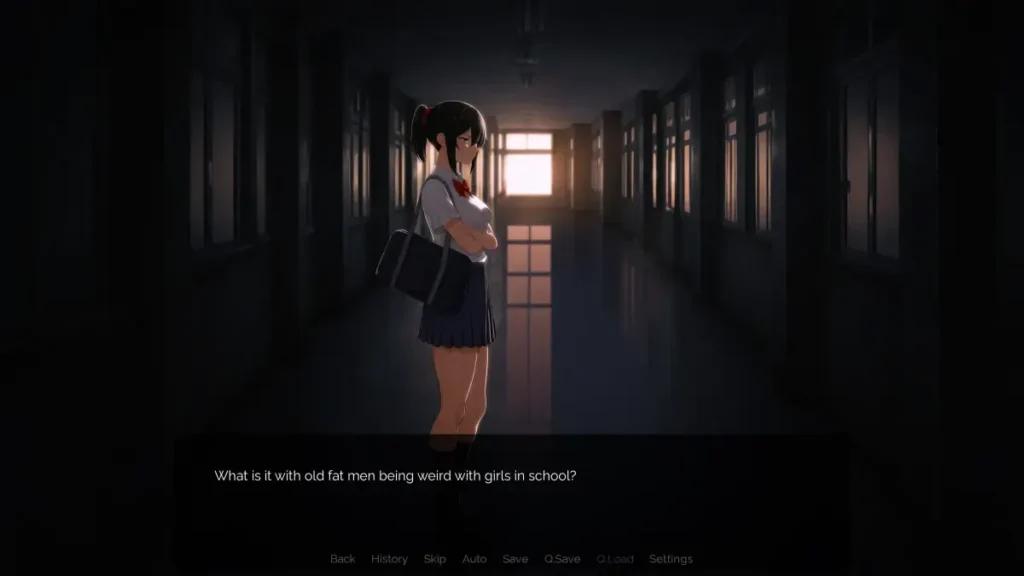

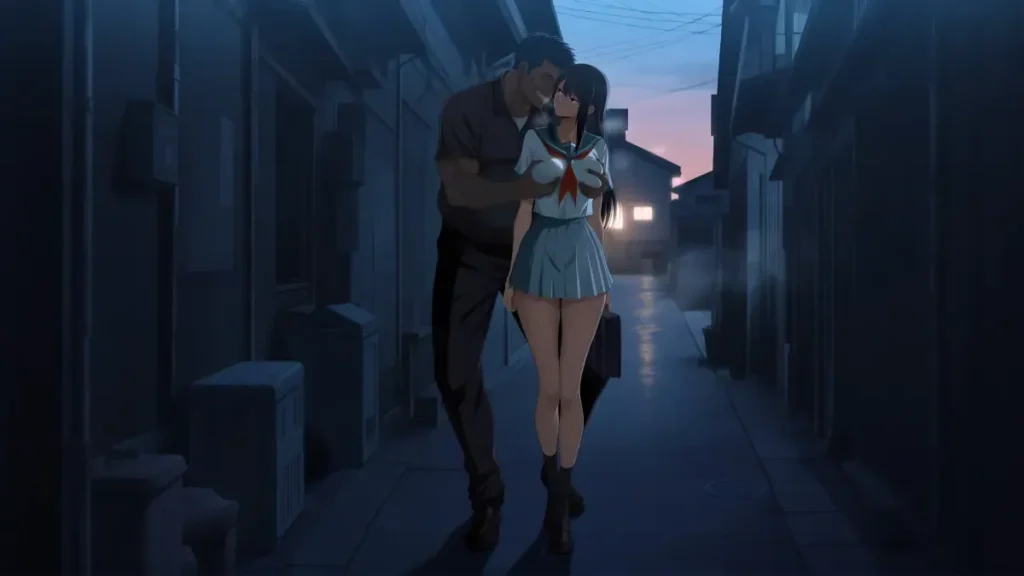
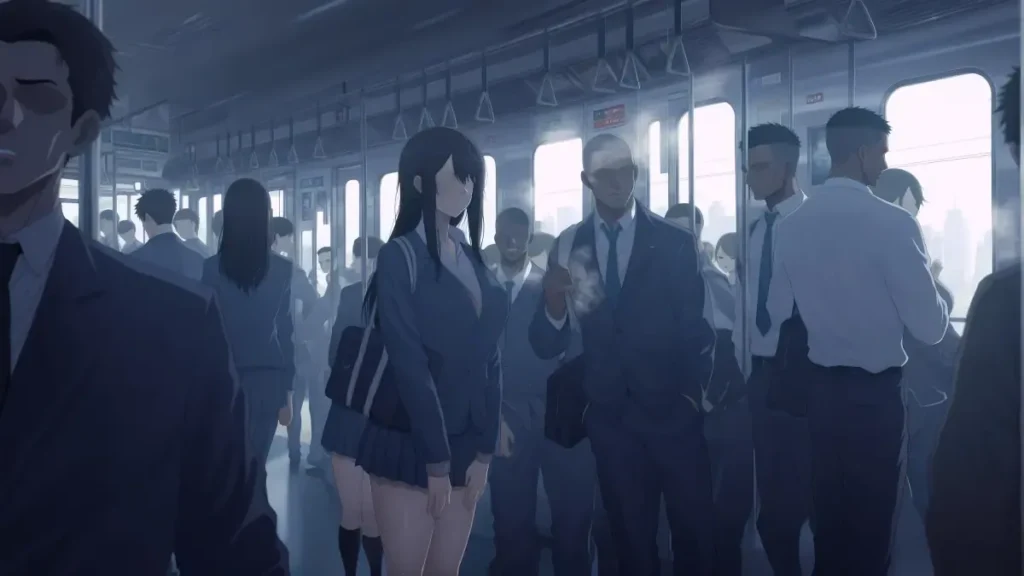
Aperture review
Dive into Hoshino Academy’s gripping mystery and steamy drama
Ever stumbled into a game that hooks you with mystery, heartbreak, and raw passion? That’s Aperture for you—a visual novel set in the cutthroat world of Hoshino Academy where you’re Keita, an 18-year-old navigating slow corruption and emotional turmoil. From accidentally smashing Rin Tomoya’s camera on day one to steamy photo shoots that escalate into intense encounters, Aperture blends NTR storytelling with mature visuals. I’ve replayed it multiple times, each branch hitting harder. Ready to uncover its secrets? Let’s explore why this Aperture porn game captivates players worldwide.
What Makes Aperture’s Story and Gameplay Unforgettable?
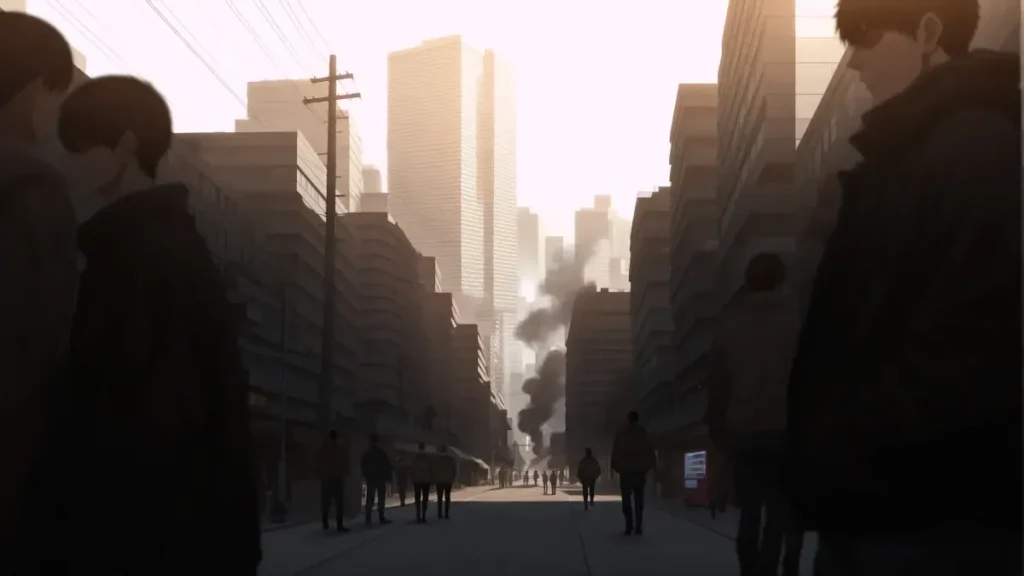
Let’s be honest—you don’t just play Aperture. You get utterly absorbed by it. 🎭 This isn’t just another visual novel; it’s a masterclass in tension, where every click pulls you deeper into a world of fragile trust and deliberate deception. At its heart, the Aperture story is a gripping mystery set against the backdrop of Hoshino Academy, but it’s the painfully human drama that will haunt you long after you close the game.
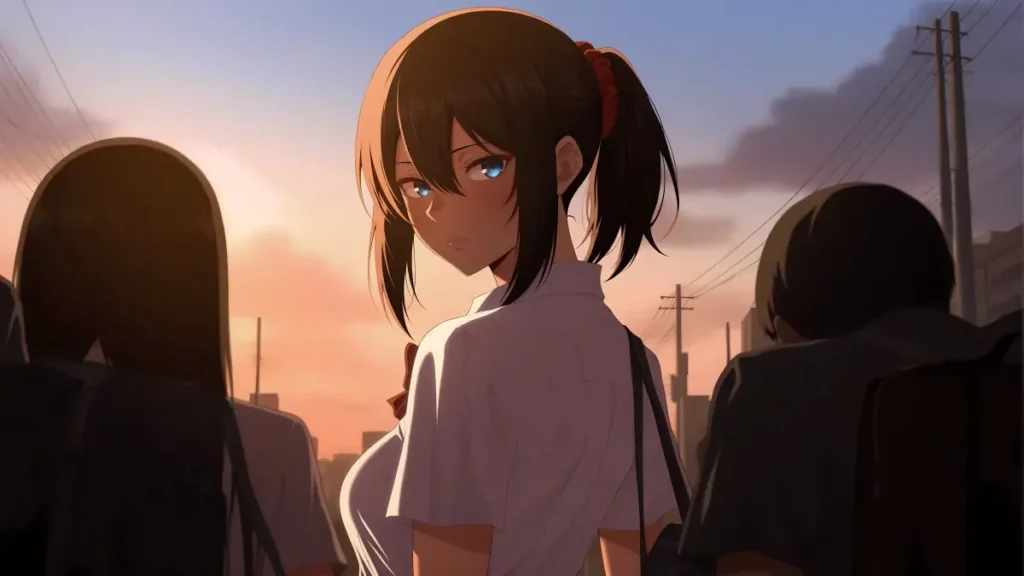
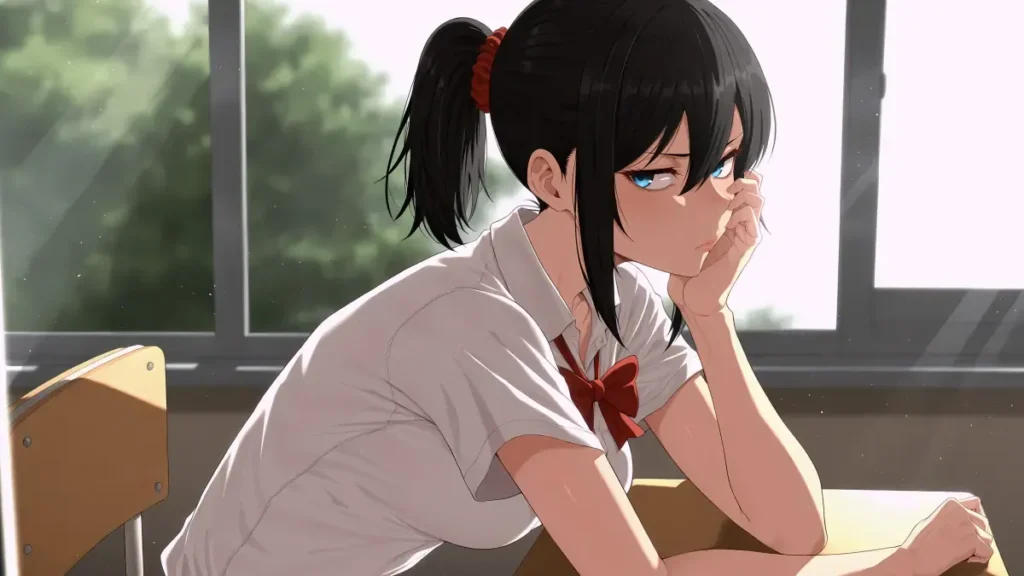
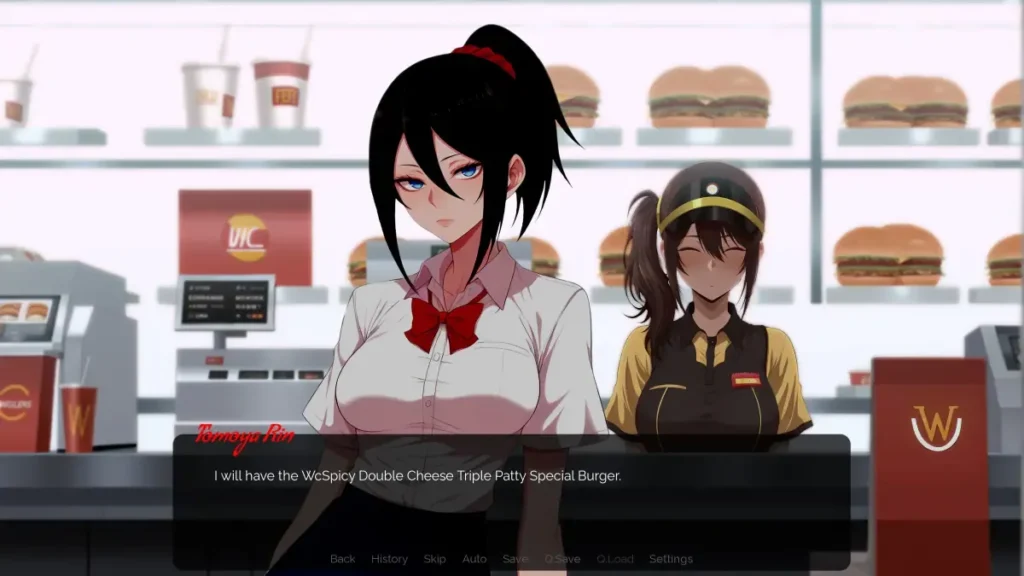
You step into the shoes of Keita, an ordinary student whose life is forever changed by one clumsy accident: breaking the camera of the talented and reserved Rin Tomoya. What seems like a simple mistake spirals into a complex pact to save the Photography Club, pulling you both into a web of photo expeditions, intense competitions, and a relationship that can bloom with genuine affection or wither under sinister pressure. The genius of this NTR visual novel isn’t just in its steamy scenes—it’s in how it makes you complicit in the slow unraveling of everything you’re trying to hold onto.
How Does the Hoshino Academy Mystery Unfold?
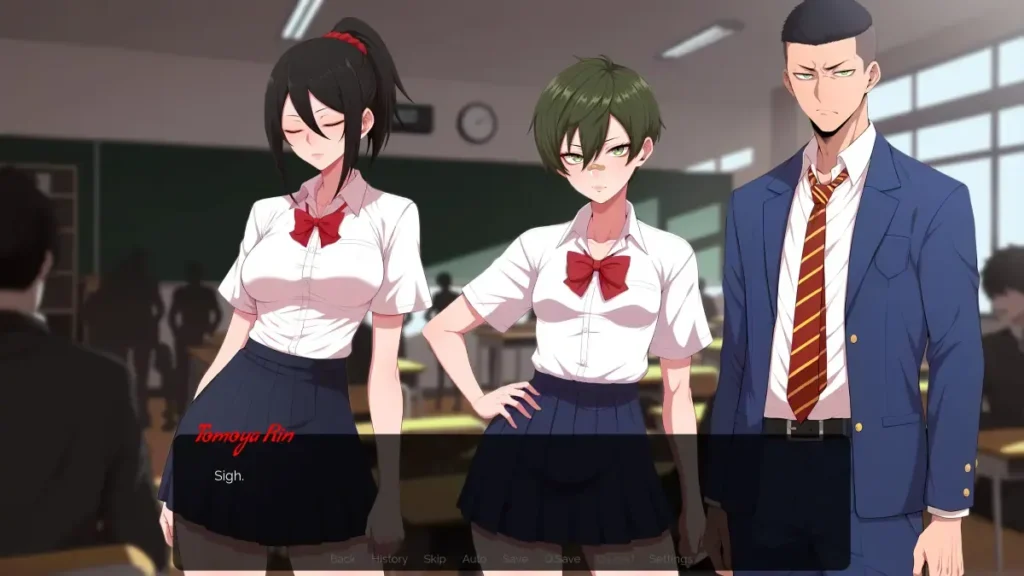
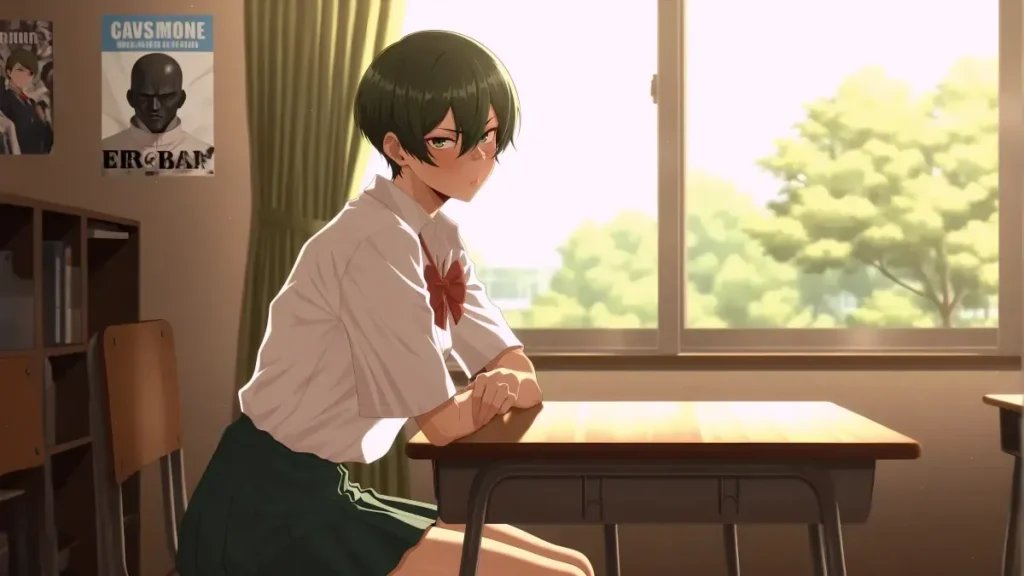
Hoshino Academy is more than just a setting; it’s a silent character draped in secrets. 🏫 The mystery unfolds through a brilliant blend of environmental storytelling and character-driven plot. You’ll scour changing classrooms for clues, find cryptic notes left on bulletin boards, and notice how the posters on the walls shift subtly, reflecting the changing morale and hidden scandals within the school.
The central narrative thrust comes from your partnership with Rin. To save the club, you must win a high-stakes photography competition. These photo quests are your primary vehicle for progression, taking you to time-based areas like the serene cherry blossom grove at dusk or the eerily empty library after hours. But here’s the catch: every location isn’t just a backdrop for a pretty picture. It’s a potential stage for intimacy or interference. A quiet moment by the gym storage? It could lead to a tender conversation that strengthens your bond, or it could be where you first notice Principal Daizo’s lingering, manipulative gaze on Rin.
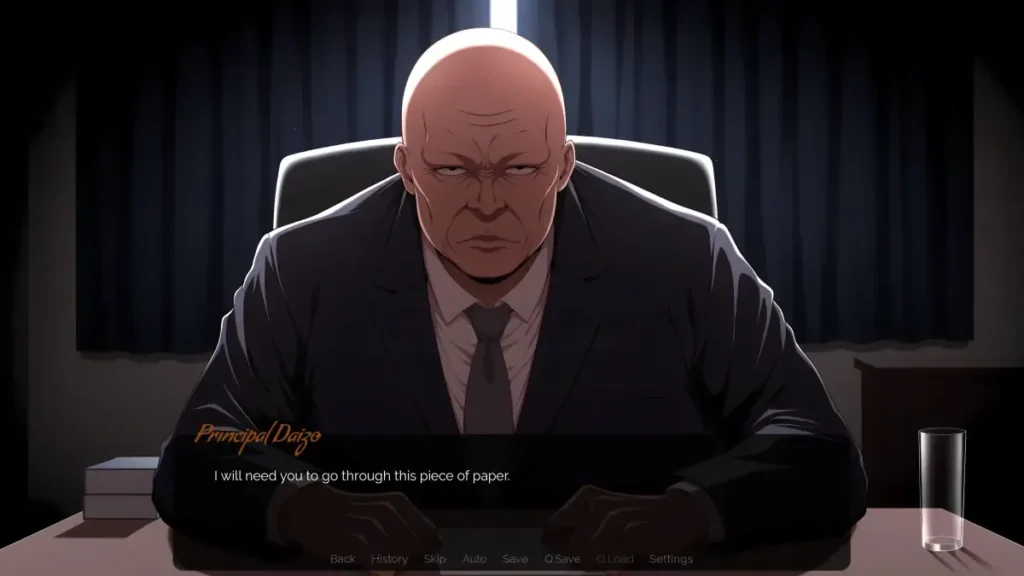
This is where the emotional corruption Aperture is known for begins to seed. Daizo isn’t a cartoon villain; he’s an authority figure who exploits vulnerability with chilling precision. The game makes you feel the anxiety of his growing influence. You might be sharing a passionate, consensual moment with Rin, lost in the heat of the cowgirl position, only for the next scene to cut to Daizo “casually” adjusting her collar in the hallway, a possessive gesture that screams danger. The Aperture story masterfully contrasts moments of genuine connection with unsettling violations, making the academy itself feel like a gilded cage.
Key Choices That Shape Your Emotional Journey in Aperture
The soul of this experience lies in its Aperture gameplay choices. This isn’t a game where you mindlessly click through text. Every decision, from how you apologize for the broken camera to how you respond to Rin’s doubts, carries weight. The branching paths are intricate, and a single dialogue option can quietly lock you onto a route toward heartbreak or salvation.
I learned this the hard way. In one playthrough, Rin confessed she was being blackmailed. I chose the “heroic” option, “We’ll go to the police together!” It felt right—protecting her at all costs. The game didn’t give me a game-over screen. Instead, it gave me consequences. Daizo intercepted us, twisted the narrative, and made Rin believe my actions had made everything worse. The next scene wasn’t a confrontation; it was her, in Daizo’s office, performing a blowjob not out of desire, but out of a defeated sense of debt and coercion. My choice to “protect” her had directly accelerated her emotional corruption. It was devastating, and it’s that cause-and-effect brilliance that makes the narrative so powerful.
To help visualize the impact, here’s a look at how two major early-game branches can diverge:
| Key Choice | Outcome & Path | Unlocked Scenes | Emotional Impact |
|---|---|---|---|
| Protect Rin: “I’ll handle Daizo. Stay away from him.” | Keita takes a confrontational, solo approach. Rin feels sheltered but increasingly anxious and powerless as Daizo circumvents you. | Intimate moments feel more desperate (e.g., a clingy cowgirl scene). Later, hidden scenes of Rin being manipulated in your absence unlock. | High anxiety. You feel the looming threat but are powerless to stop it, creating a tense, tragic atmosphere. |
| Expose the Secret: “Let’s gather proof together.” | You and Rin work as a team, fostering trust. This path requires finding specific hidden notes/photo evidence around Hoshino Academy. | Unlocks cooperative investigation scenes and more mutually initiated, passionate encounters (e.g., a celebratory, intimate moment after finding a clue). | Empowering but risky. The bond feels stronger, making potential setbacks later even more painful. |
Blending Photography Quests with Steamy Encounters
The gameplay loop of Aperture is ingeniously designed. 📸 The photography quests aren’t separate from the romance or corruption; they’re the engine for it. Successfully capturing the “perfect shot” often unlocks new areas, progresses time, and opens doors to deeper interactions with Rin. These moments of collaboration—where you’re both focused on art and beauty—make the subsequent intimate scenes feel earned and meaningful when on a positive path.
However, this blend becomes uniquely torturous on darker branches. You might unlock a special nighttime location for a photoshoot, only for Daizo to arrive and “commandeer” the session. The game then forces you to watch, through Keita’s perspective, as a scene of artistic pursuit is twisted into something voyeuristic and degrading. A moment that could have ended with a passionate creampie between two lovers instead culminates in a facial that symbolizes ownership and humiliation. The game doesn’t shy away from these stark contrasts, using the very mechanics of play to underscore the themes of consent, agency, and loss.
This is why the NTR visual novel genre, when done as well as in Aperture, feels so authentic. It’s not about cheap shock value; it’s about crafting a narrative where love and desire are actively contested territories. Your Aperture gameplay choices directly influence who holds that territory, and the game is brave enough to let you fail spectacularly—and meaningfully.
So, how do you unlock Aperture endings and navigate this emotional minefield? It starts with paying obsessive attention. Save often, and in different slots. Read every note, examine every poster change. Rin’s dialogue is your best compass; her mood and word choices subtly signal which path you’re on. To maximize your first playthrough and avoid early bad ends, keep these tips in mind:
- Observe the Environment: Click on everything in each new location. A changed poster or a discarded note in Hoshino Academy can be the key evidence needed to alter a crucial story branch.
- Listen to Rin’s Subtext: Her tone is everything. Is she speaking freely, or are her responses short and guarded? The latter often means outside pressure is mounting.
- Balance Passion with Patience: Pushing for physical intimacy too aggressively can damage trust. Sometimes, choosing to just talk or work on photos builds a stronger foundation for a positive ending.
- Save Before Every “Expedition”: Photo quests are major decision hubs. Create a save point before heading out to capture a specific shot.
- Don’t Ignore Side Characters: Conversations with other students can provide vital context about school rumors and Daizo’s movements, warning you of upcoming threats.
The true genius of Aperture is its relentless replay value. One playthrough only reveals a fraction of the intricate Aperture story. To see all facets of Rin Tomoya—from the resilient artist to the tragically corrupted victim—you must walk every path. You have to make the choices that hurt, the ones that heal, and everything in between. Are you ready to see how deep the mystery of Hoshino Academy goes? Your camera is waiting. Just remember, in this world, the most revealing shots are often the ones you never meant to take. 🔍
Aperture isn’t just another visual novel—it’s an emotional rollercoaster through Hoshino Academy’s shadows, where every choice with Rin Tomoya pulls you deeper into corruption and passion. From that fateful camera smash to branching paths of heartbreak and heat, it delivers replay after replay. My favorite run? The one where I fought Daizo’s influence longest, only to feel the slow burn hit hardest. If you’re craving NTR depth with stunning scenes, grab Aperture now and start your journey. Share your wildest ending in the comments—what path broke you?